
Kısaca
Before personal clocks, bell sounds governed daily life. Work, prayer, and market time were organized not by minutes, but by audible signals that synced a whole town.
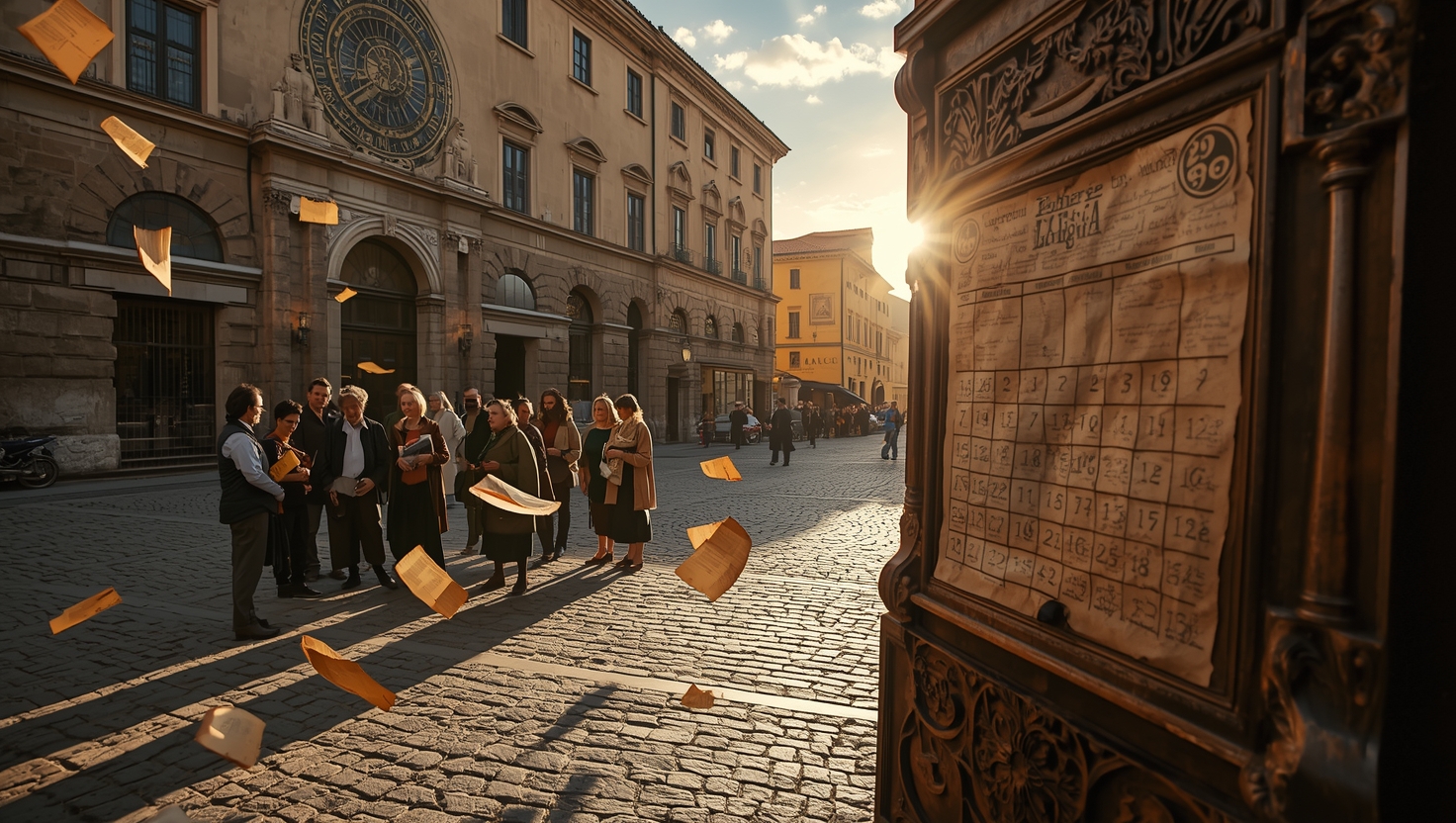
Living in a town wasn’t only sharing streets—it was sharing a single sense of time. In much of the Middle Ages, time arrived through your ears, not a pocket watch.\n\nBells announced segments of the day and worked like a communal calendar. People set work starts, breaks, prayer, and closing by these signals; rhythm mattered more than minutes.\n\nSurprising detail: this strengthened a city’s social synchronization. When everyone moved together, crowds and commerce gained an invisible order.\n\nIt shows time is a cultural tool as much as a technical one. Even as clocks improved, the power of shared signals to create rhythm didn’t vanish easily.