
Kısaca
In the Middle Ages, salt was not just flavor, it was survival. The caravan roads that carried it grew into inns and markets, and some of them eventually became cities.
Some settlements that look large “by coincidence” on a modern map actually follow the trail of a food necessity. For medieval people, salt meant not starving in winter, because meat and fish could not last long without salting.
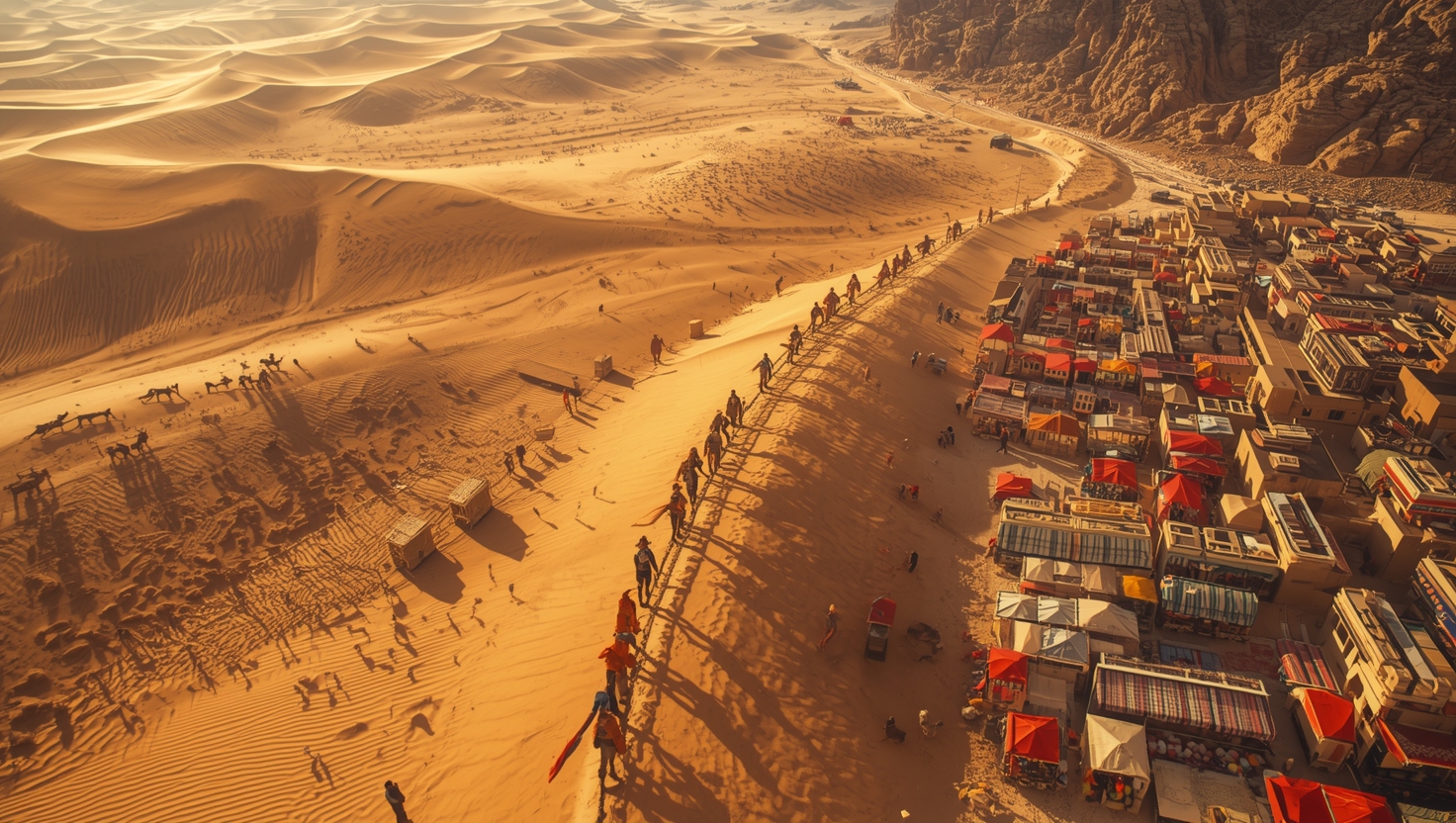
Salt was valuable because production was hard and transport was risky. Loads from mines and salt pans moved with caravans, and along the way stops formed for safety, lodging, and trade.
As inns, repair shops, storage houses, and markets clustered around those stops, money began to circulate. A road does not carry goods only; it also carries news, culture, and sometimes even diseases.
In the end, salt routes show how trade can drive urban growth. When a product is essential, it can reshape economies and settlement patterns more strongly than we expect.