
Kısaca
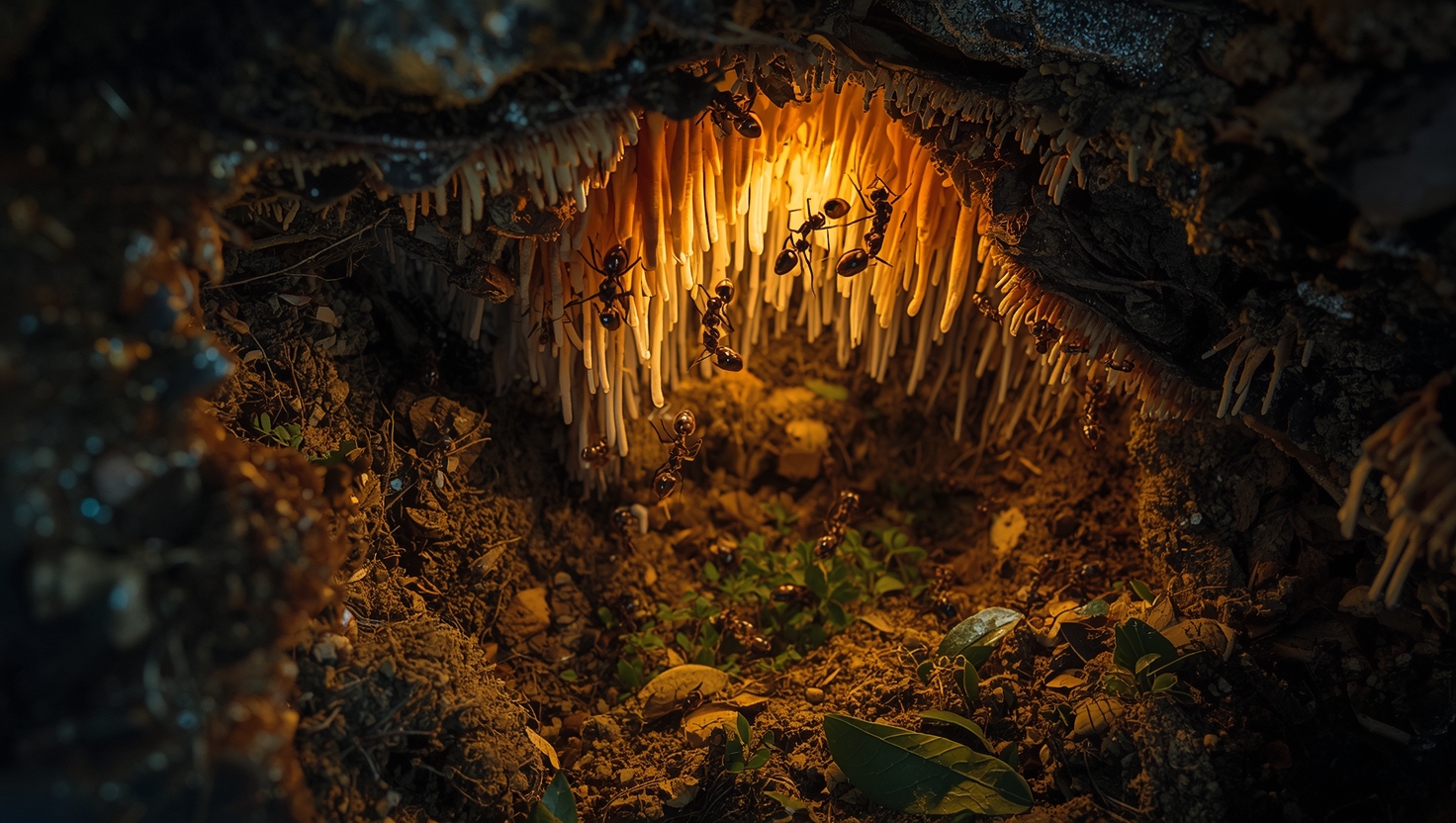
When a tree is harmed, neighbors can switch to defense faster. Signals moving through roots and fungal networks act like an underground messaging line.
It’s easy to think a tree lives alone. But in forests, the deeper story often begins under the trunk—within invisible networks of roots and fungi.\n\nSome fungi partner with tree roots, spreading threadlike structures through soil. The network helps move water and nutrients, and may also allow chemical signals to circulate.\n\nSurprising detail: when one tree is attacked, neighboring trees can show increases in defensive chemicals. That can act like an early warning, making leaves more bitter or tougher.\n\nThis matters because it teaches us to see forests as connections, not just individuals. Ecosystems are built not only from visible organisms, but from hidden relationships too.