
Kısaca
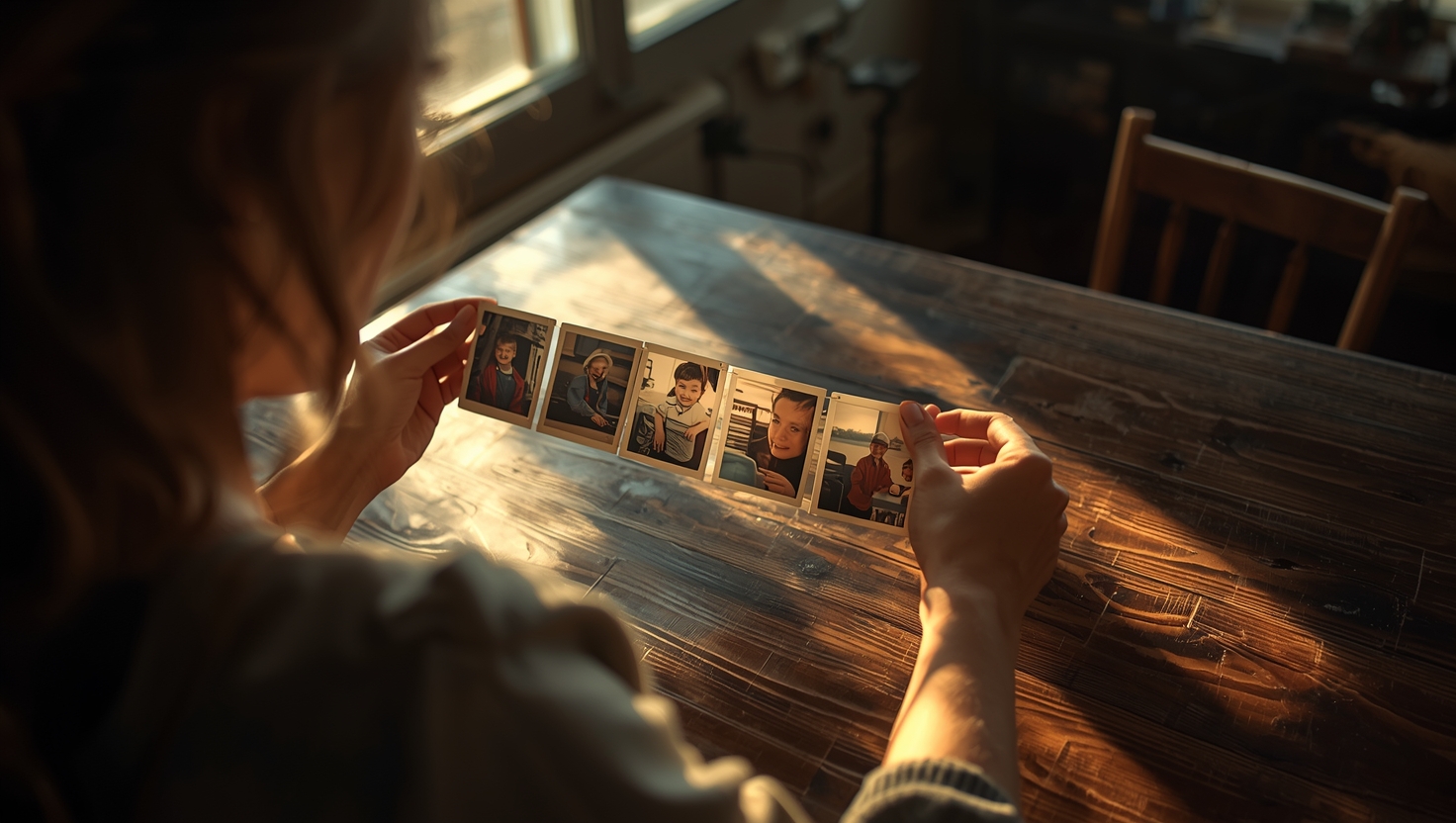
Recalling a memory isn’t pulling it off a shelf—it’s rewriting it. Each recall can update details, so the scene you’re sure about may be the latest edit.
When you tell a memory, you may be sure ‘that’s exactly how it happened.’ But memory doesn’t work like video—it’s more like a scene rebuilt each time.\n\nWhen you recall, you reactivate the memory. That reactivation can open a window for updates: new information, emotions, and context can mix into the old scene.\n\nSurprising detail: that’s why two people can remember the same event differently without bad faith. Everyone carries their latest ‘edit’—memory is like an editing desk.\n\nIt matters because it teaches flexibility with ourselves. Confidence isn’t proof; understanding memory helps handle arguments and regrets in a healthier way.