
Kısaca
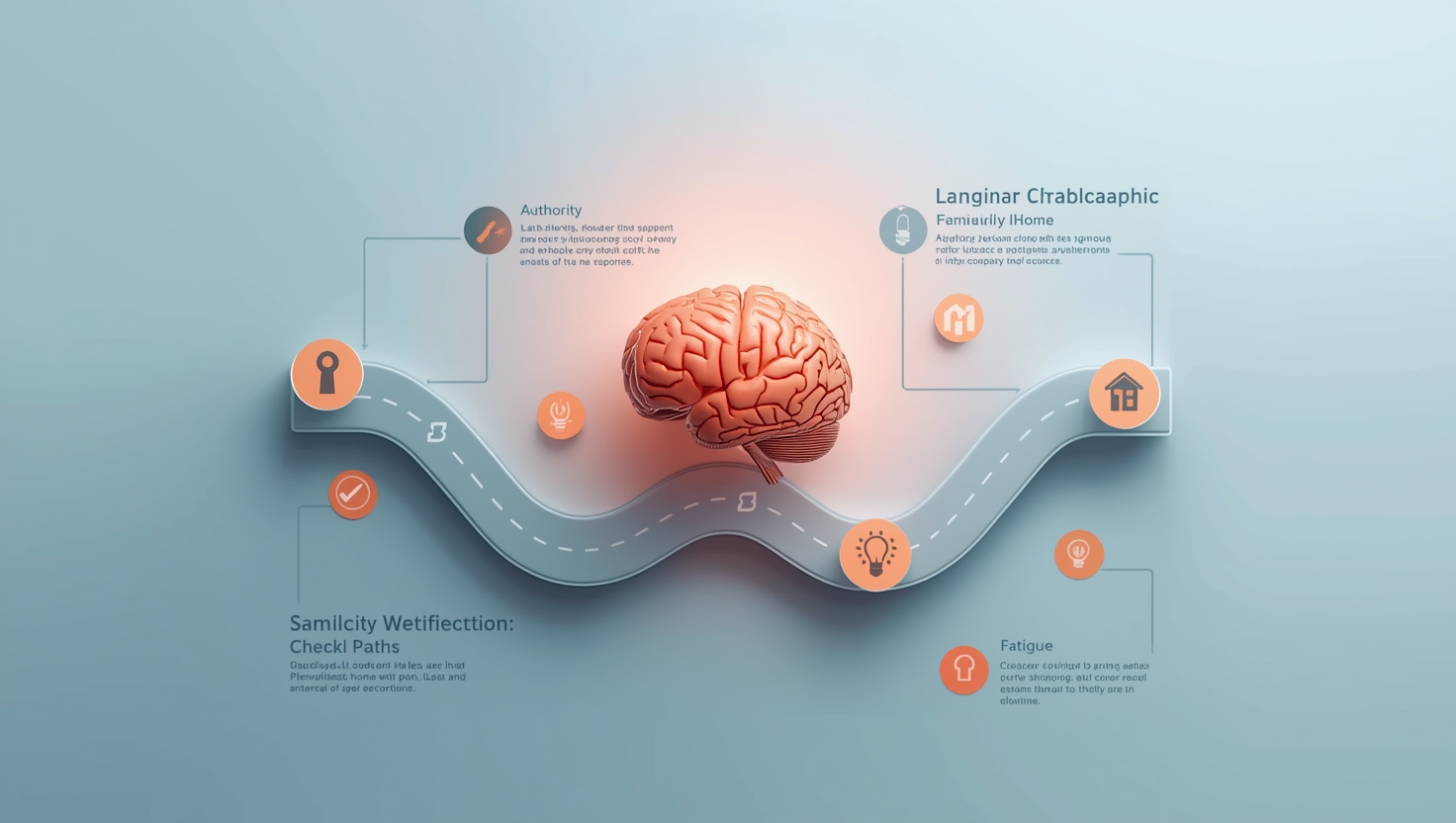
Finding a face ‘trustworthy’ at first glance is often unconscious. The brain makes fast calls using symmetry, softness of expression, and familiarity cues. It’s quick—and fallible.
Dil değiştiriliyor...
Lütfen bekleyin
Kısaca
Finding a face ‘trustworthy’ at first glance is often unconscious. The brain makes fast calls using symmetry, softness of expression, and familiarity cues. It’s quick—and fallible.
Picking the simplest dish from a 40-item menu can be normal. Too many options tire the brain; a tired brain avoids risk and retreats to ‘safe.’ More choice can mean less energy.
Feeling uneasy when a room goes silent is normal. The brain hates uncertainty; with fewer cues in silence, threat-scanning mode can ramp up.
Some people see faces clearly but can’t recognize them: prosopagnosia. They rely on voice, gait, or hair cues—crowds become puzzles.
When a conversation hits a short silence, we often fill it with extra details. The brain can read social gaps as ‘risk’ and talk more to reinforce the bond. Silence doesn’t mean the same to everyone.
You often copy someone’s posture without noticing: they cross their legs, you do too. This ‘mirror’ behavior can be a quiet sign of rapport and alignment. The body says, ‘we’re together.’
The mind doesn’t compute everything from scratch; it uses shortcuts. They’re fast but can be trapped: a trustworthy-looking face or familiar phrasing creates a ‘true’ feeling. Speed trades off with accuracy.
Her gün yeni bilgiler, ilginç gerçekler ve faydalı içeriklerle bilgi dağarcığını genişlet!
Tüm Bilgileri Keşfet