
Kısaca
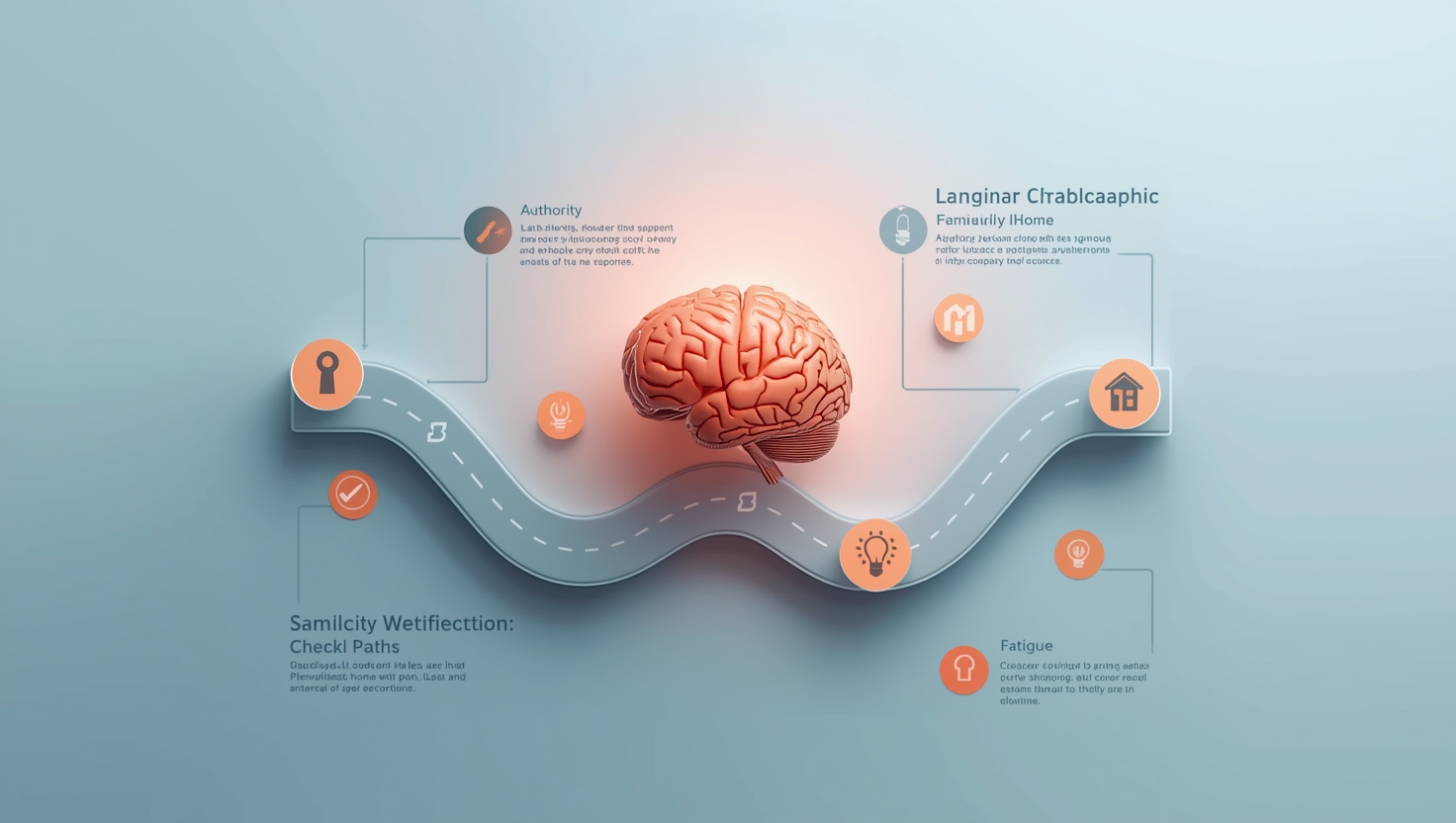
In an argument, one person stays angry for minutes while another recovers fast. The difference is often emotion regulation: the brain learns how to cool a rising fire.
Anger rises like a wave and naturally tends to fall. But some brains ride the wave longer.
Regulation works through small tools: changing inner speech, slowing breath, reframing the situation. These tools delay reflex and create space for choice.
A surprising detail: pressure to ‘calm down now’ can backfire. Under threat, the brain resists commands; it wants safety first.
So fast recovery isn’t suppression—it’s steering. Like an emotional thermostat: once you find the setting, the room becomes livable.
Bu bilgi seni nasıl hissettirdi?
Çoğunluk:
( tepki)