
Kısaca
Some people see faces clearly but can’t recognize them: prosopagnosia. They rely on voice, gait, or hair cues—crowds become puzzles.
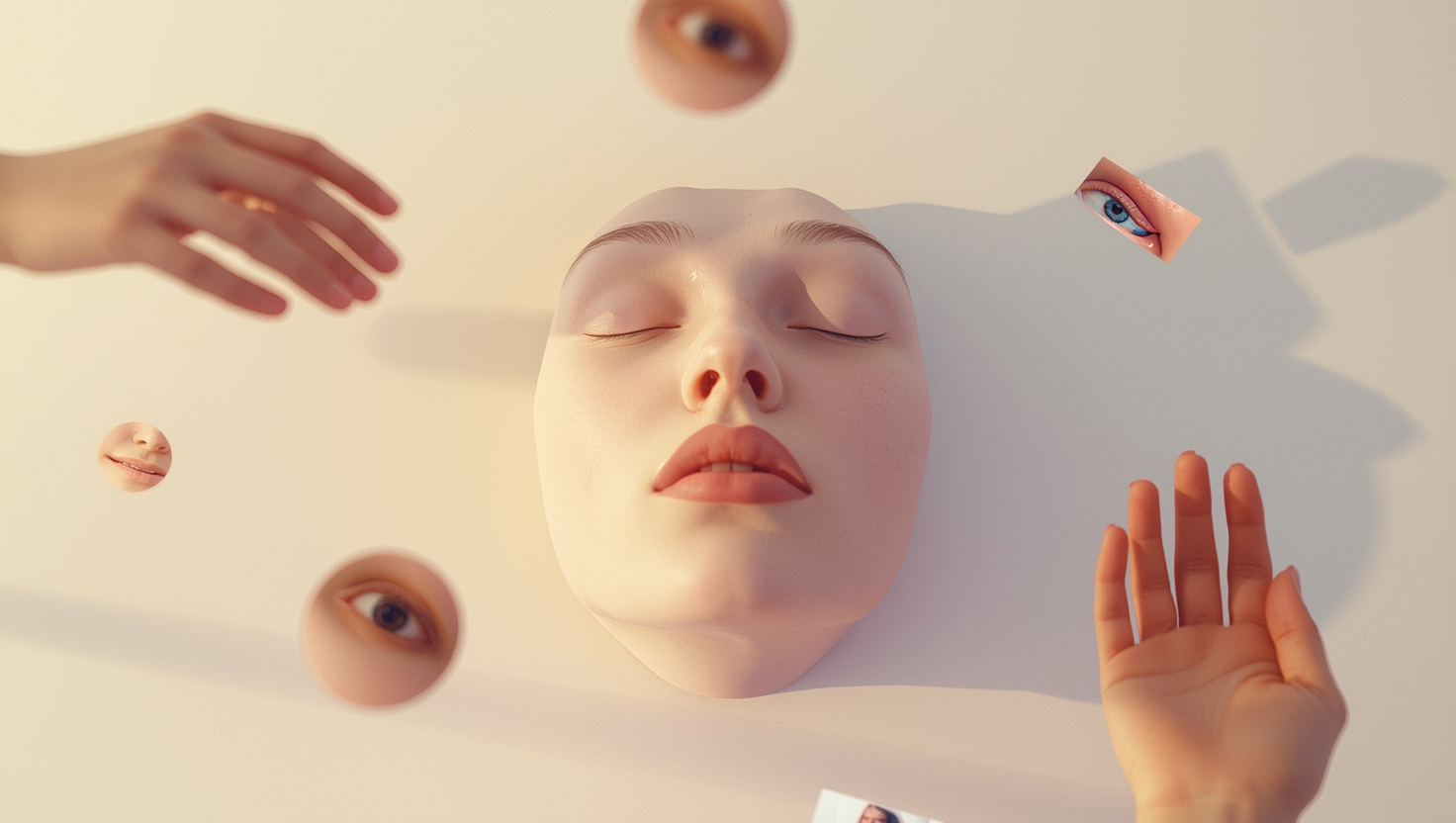
Not recognizing someone you ‘see’ can be mistaken for rudeness. For some people, it’s a real challenge rooted in neurology, not intention.\n\nIn prosopagnosia, the eyes work and the image arrives, but the brain can’t reliably do face recognition. So people lean on cues like voice, hairstyle, clothing, or gait to figure out who’s who.\n\nSurprising detail: this can quietly exhaust social life. The fear of greeting the wrong person can turn crowds into stressful puzzles.\n\nIt matters because it builds empathy. Not recognizing you may not be disinterest—it can be a different face-labeling system in the brain, and small understanding can bring big relief.