
Kısaca
Feeling tense when someone stands too close shows your brain maps personal space as something real. This invisible bubble is shaped by culture, experience, and trust. Distance is communication.
Looking down in a crowded elevator isn’t random. As space shrinks, the brain adjusts gaze and posture to reduce social tension.
Personal space isn’t just etiquette—it’s a perceptual safety buffer. When threat rises, the buffer expands; when trust rises, it contracts.
Surprisingly, the same person at the same distance can feel different on different days. Fatigue, stress, and prior experiences change the bubble’s radius.
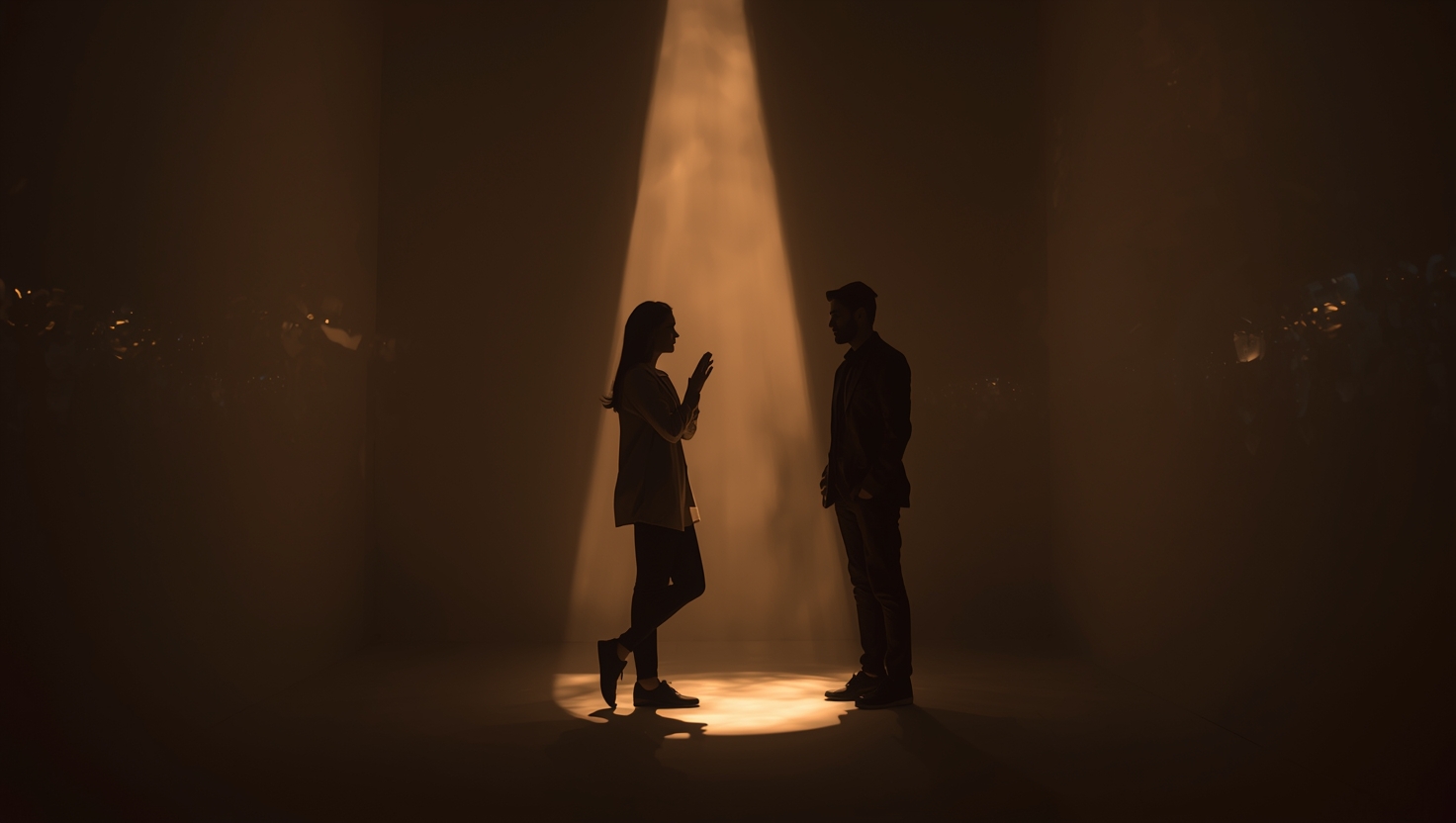
That’s why distance is a silent sentence in conversation. When someone steps back, a lot can be said without a word.
Bu bilgi seni nasıl hissettirdi?
Çoğunluk:
( tepki)