
Kısaca
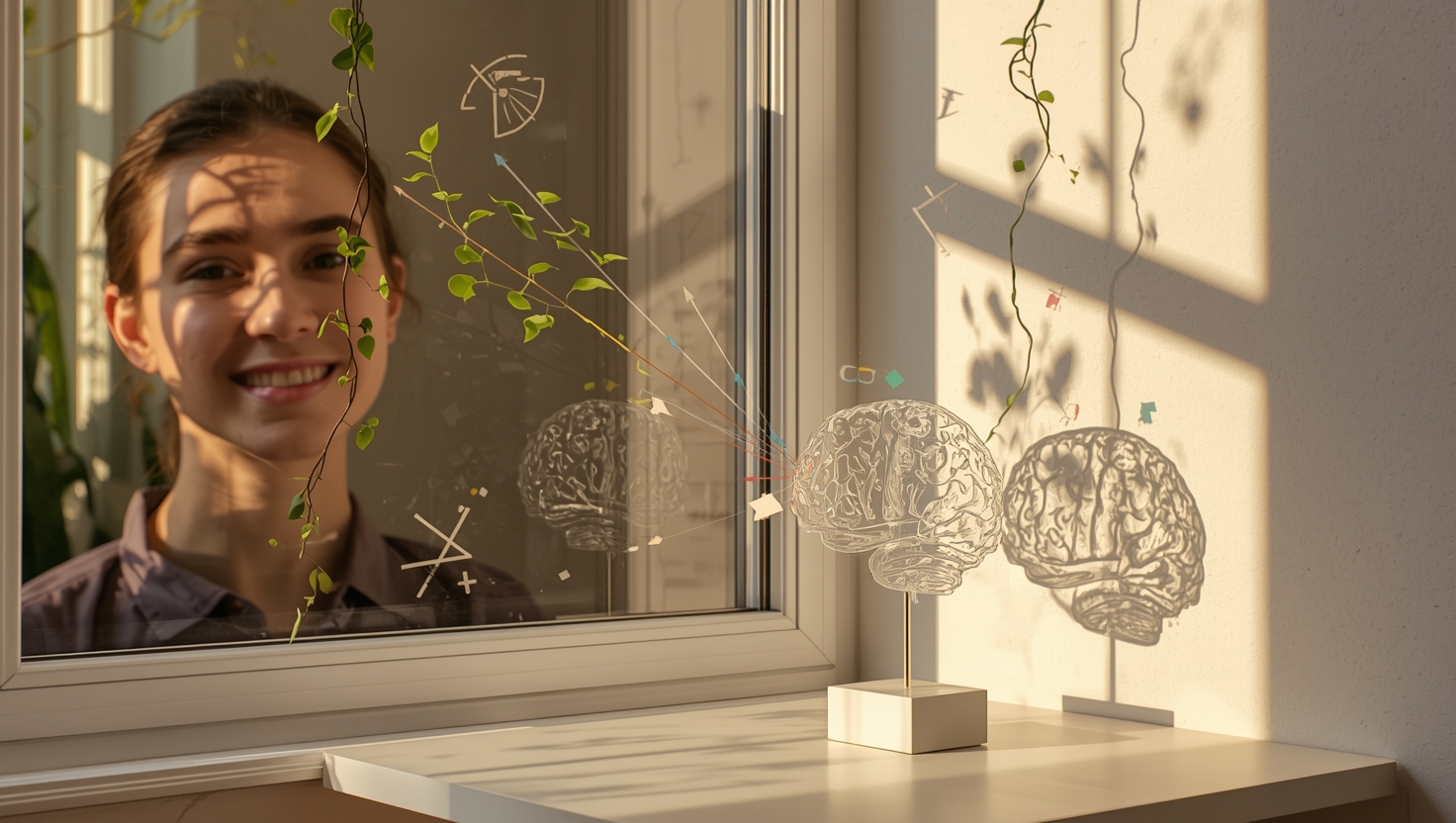
If your face seems to change when you stare into a mirror in dim light, you’re not imagining it. As the brain normalizes a constant stimulus, perception drifts—features can look stretched or altered.
If you’ve ever looked in a bathroom mirror at night and thought “Is that me?”, your brain’s filters are at work. Vision downplays constant information and prioritizes change.
Dim light and prolonged staring amplify tiny contrast fluctuations. As the brain tries to fill in uncertainty, facial features can be reinterpreted in unexpected ways.
Strangely, the drift can affect emotion too: as the face feels less familiar, you might feel a mild chill. Familiarity is built not just from pixels, but from interpretation.
This effect reminds you that perception is less a camera and more a prediction machine. Sometimes what you see is your brain’s best guess.