
Kısaca
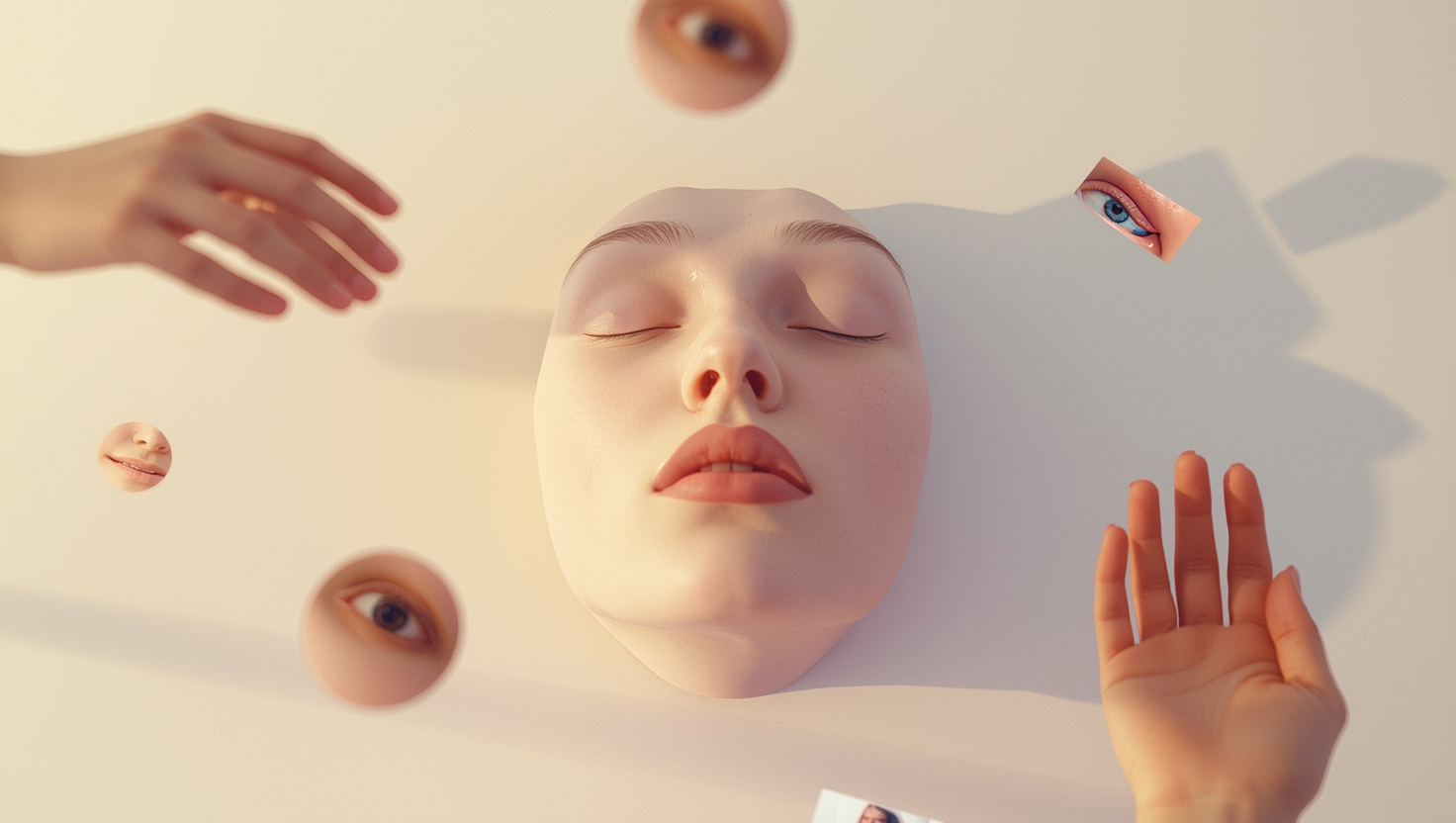
When you’re genuinely interested, your pupils can dilate—and it’s hard to control. That’s why eyes can seem “honest”: the body quietly reflects the brain’s excitement.
Saying someone’s eyes “lit up” isn’t purely metaphor. Even with steady lighting, pupils can widen or narrow depending on internal state.
It’s part of the autonomic nervous system. When curiosity, excitement, or mental effort rises, the body may shift the visual system into a different mode to take in information.
The interesting part is that others can sometimes sense the change. Human brains try to read intention from the smallest facial cues.
Of course it’s not a lie detector—light and health matter too. But eyes carry a quiet subtitle in social communication.
Bu bilgi seni nasıl hissettirdi?
Çoğunluk:
( tepki)