
Kısaca
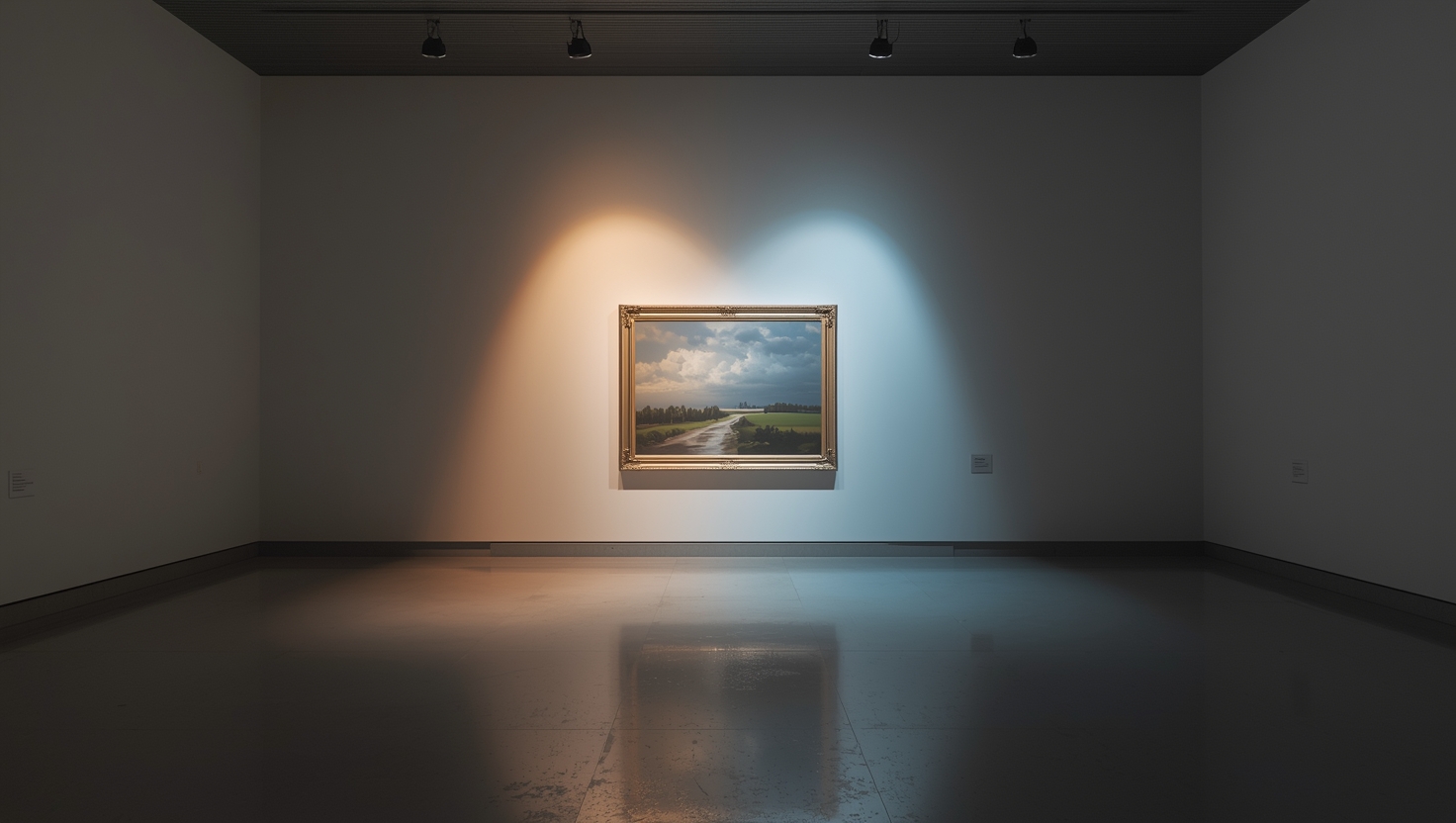
Some old paintings look more yellow than the artist ever saw. Often it’s the varnish—oxidizing and darkening over decades, it shifts the color balance.
If you’ve ever wondered in a museum, “why does everything look a bit yellow?”, the culprit may not be the brush but the top coat. Protective varnish can quietly transform how a painting reads over time.\n\nVarnish aims to shield paint from light and oxygen. But some varnishes oxidize and darken across decades, muting blues and pushing warmer tones forward.\n\nA striking detail: during restoration, removing aged varnish can feel like revealing a brand-new work. Cool tones reappear, contrast lifts, and the sense of depth can shift dramatically.\n\nThat’s why art history is also the history of materials. What we see isn’t only the artist’s intent—it’s intent plus the extra layer time adds.