
Kısaca
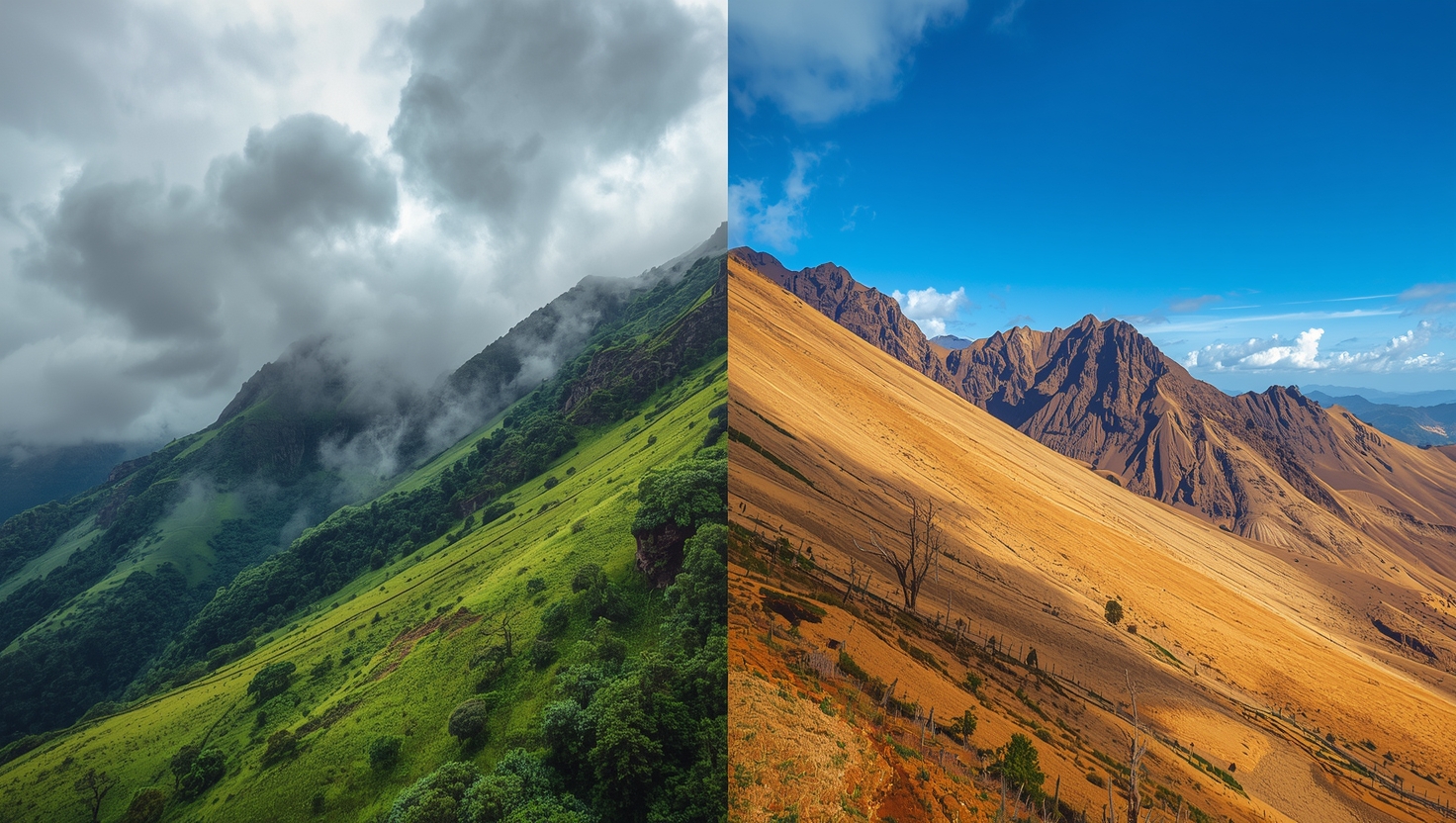
On a historical timescale, the Sahara was green and wetter “yesterday.” As rainfall patterns shifted, lakes shrank—leaving not just sand, but a massive climate story.
When you think of the Sahara, you picture endless sand—but it wasn’t always like that. There were periods when people lived there, animals roamed, and lakes shimmered across the landscape.\n\nAt the heart of the shift is the movement of rainfall belts. As monsoon systems strengthen and weaken, a region can green and dry again within geologically brief windows.\n\nA surprising detail: drying rewrites more than water—it rewrites routes of life. As communities retreat from lake and river edges, settlement patterns and livelihoods change, and cultures migrate to new geographies.\n\nThis story reminds us climate isn’t just a slow backdrop. The Sahara’s transformation is a vivid lesson in how environmental change can steer ecosystems and societies.