
Summary
The rocks at the bottom of the Grand Canyon are about half as old as Earth.
Switching language...
Please wait
Summary
The rocks at the bottom of the Grand Canyon are about half as old as Earth.
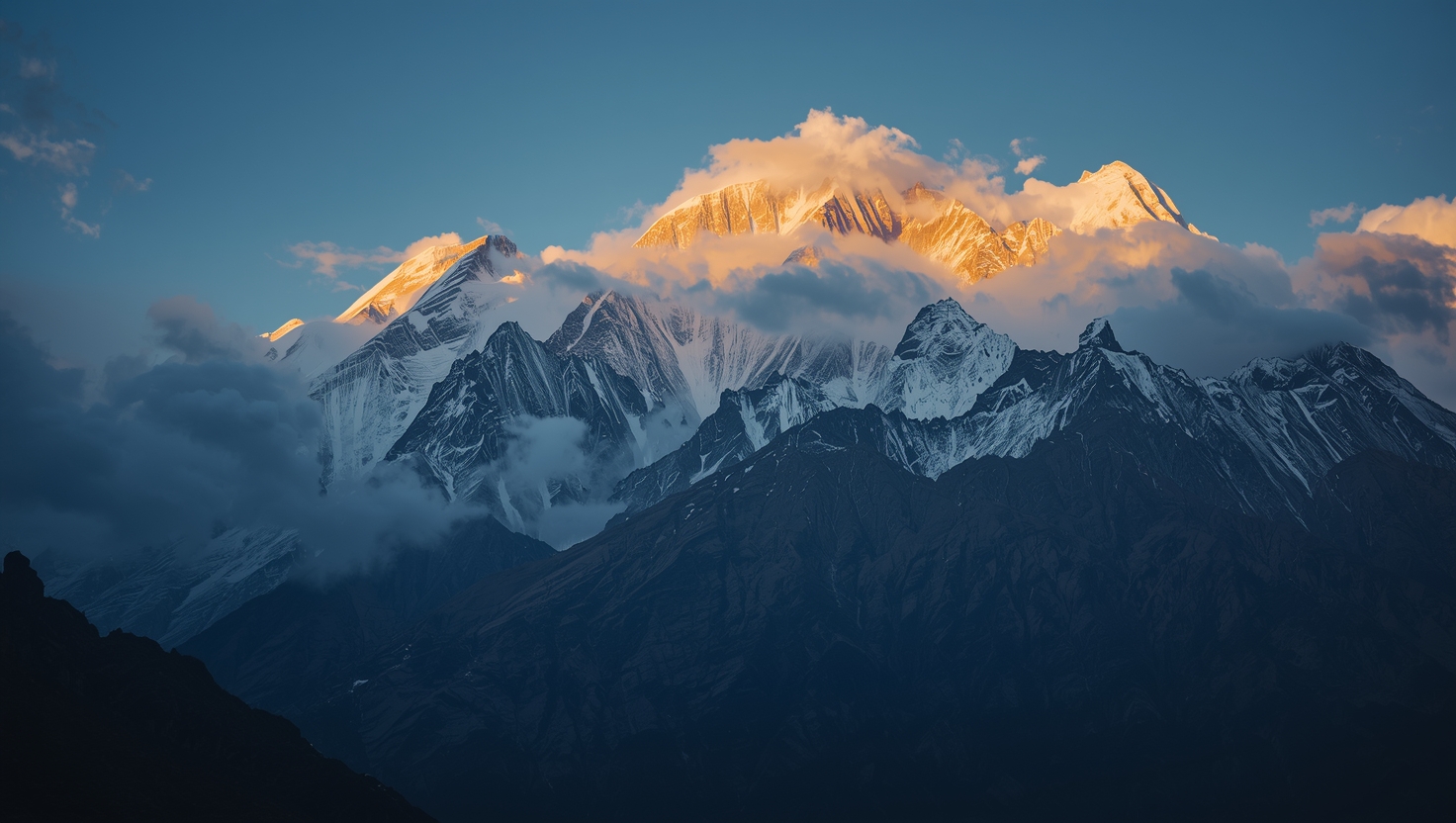
The Himalayas aren’t ‘finished’ mountains—they’re a living record of a continental collision. As plates keep pushing, some peaks can rise by centimeters over time.
As cities expand, they often build on top of older layers—streets rise and history stacks. Underground, old houses, shops, and roads can remain like frozen time.
Even if your sky looks calm, there’s a storm somewhere. Earth produces countless electrical discharges at once—we just mistake our horizon for the whole world.
Time zones look like straight lines on maps, but they’re often jagged. Clock choice can shift for economy, neighbor alignment, or identity—set by decisions as much as by sun.
We picture sand, but deserts are defined by rainfall. Antarctica gets so little precipitation it’s technically a vast desert—its snow cover simply hides the fact.
Contrary to popular belief, the Great Wall is too thin to be seen from space with the naked eye.
Expand your knowledge with new facts, interesting trivia and useful content every day!
Discover All Info