
Kısaca
Sun warms the surface by day; at night the surface loses heat by radiating it into space. Clouds, humidity, and wind change this ‘heat escape,’ making some nights biting and others mild.
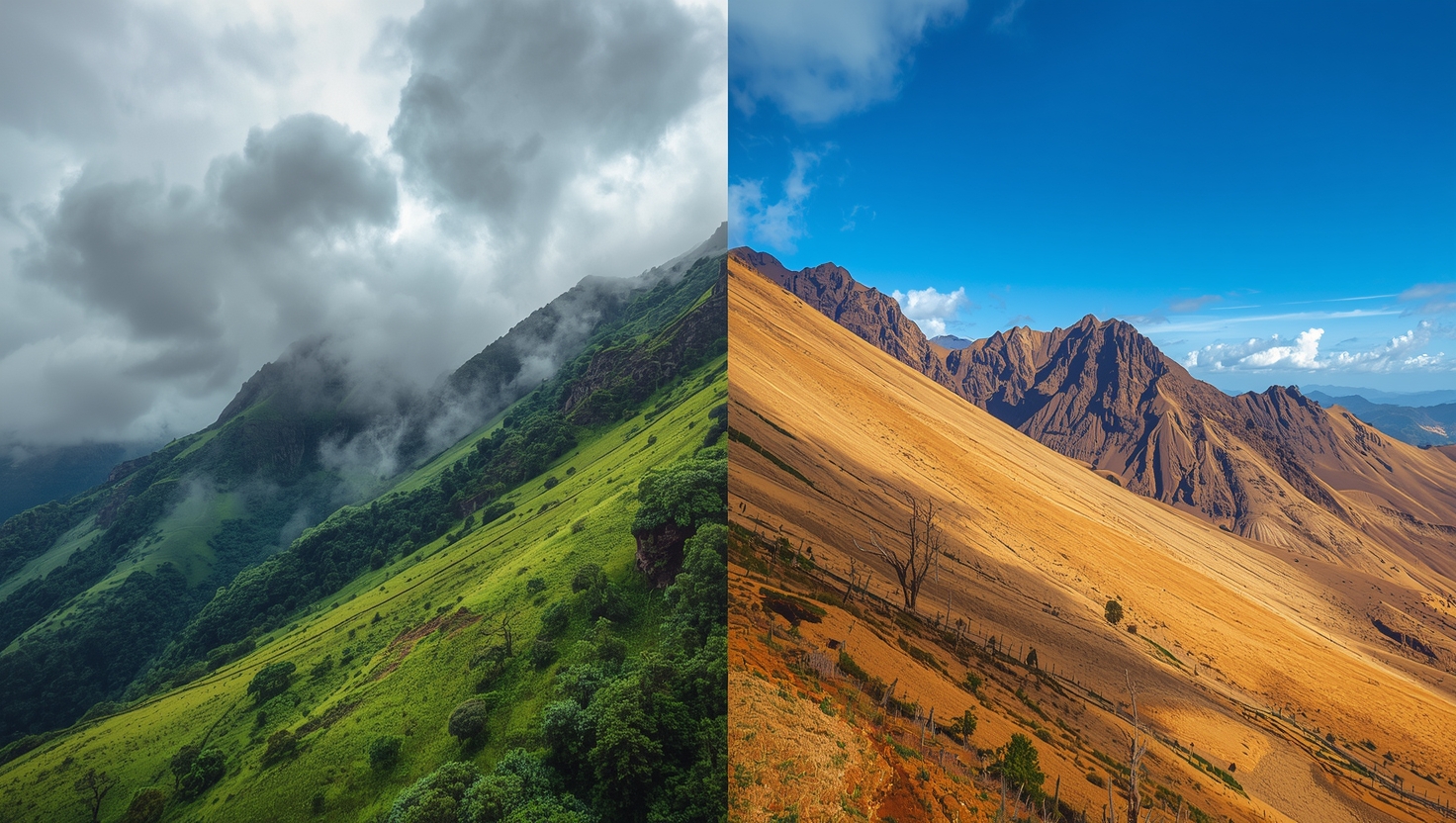
Why does it cool quickly after sunset? Because the energy stored during the day starts leaving the stage, and Earth slowly ‘gives’ heat back outward.\n\nThe ground radiates its heat into space as infrared through the night. Clouds can reflect some of that radiation back like a blanket; clear nights lose heat faster.\n\nSurprising detail: humidity changes the game. Moist air tends to retain heat better, while dry air cools faster—one reason desert nights feel so dramatic.\n\nIt matters because daily weather feel rests on a simple but powerful energy balance. Night coolness is an invisible heat journey upward to the sky.