
Kısaca
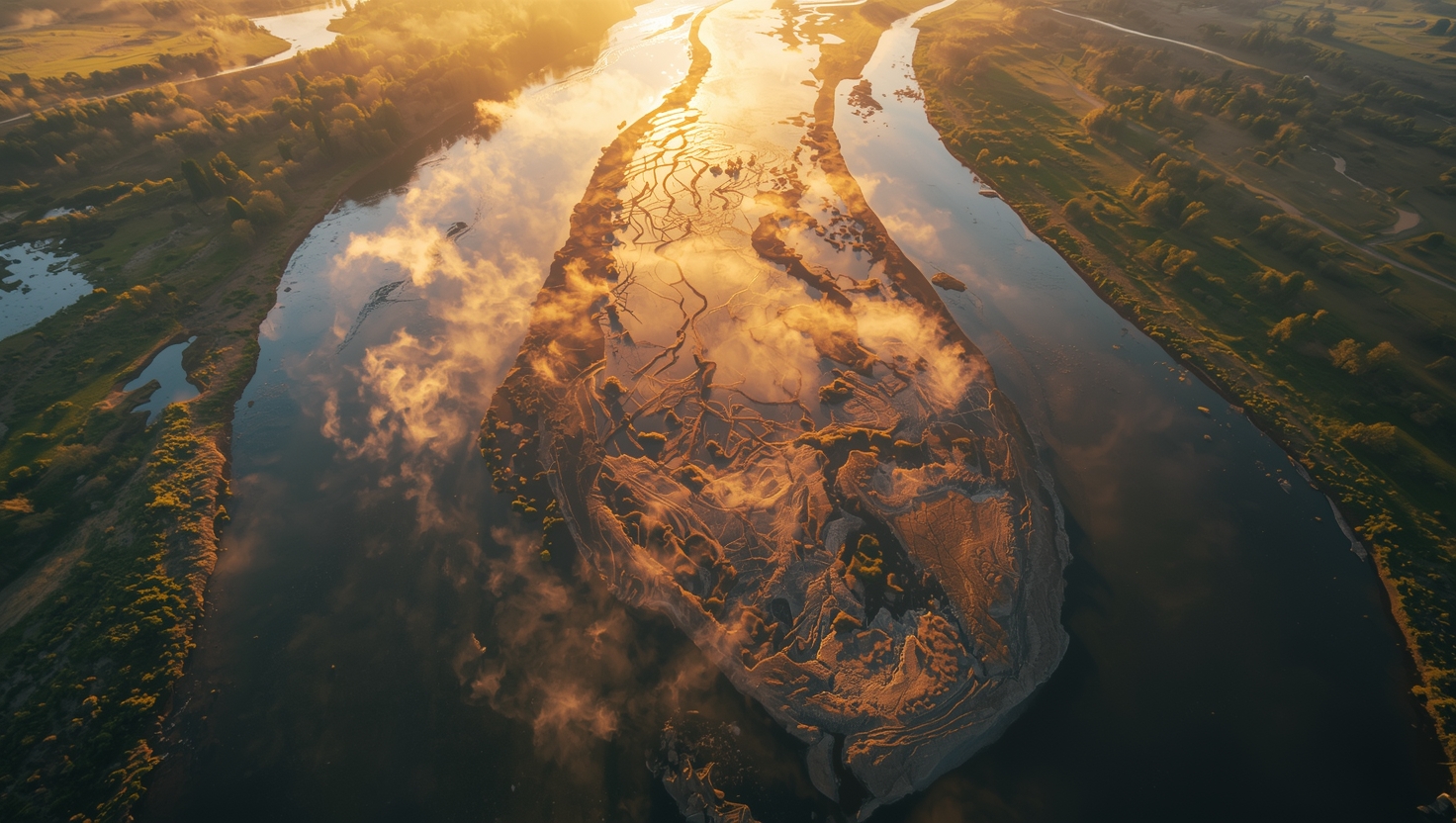
In some coasts there’s water but almost no usable oxygen, forcing life to flee. Excess nutrients trigger algal blooms, then decay consumes oxygen and the area goes quiet.
The ocean feels like endless life, yet some waters become nearly breathless. These ‘dead zones’ often result from a quiet chain reaction.\n\nExcess nutrients (especially nitrogen and phosphorus) fuel rapid algal growth. When algae die, bacteria decompose them and consume dissolved oxygen, shrinking habitable space for fish and shellfish.\n\nSurprising detail: it’s not only death—it’s behavior shift. As species flee, food webs distort, and recovery may take years until water chemistry stabilizes.\n\nIt’s a reminder land and sea are connected. Loads from farms, cities, and rivers can translate into oxygen-starved coastal ecosystems, and reversing that can be slow and hard.