
Kısaca
Yawns can be contagious for a reason: the brain can ‘simulate’ what it sees. The mirror neuron idea links empathy and learning in a single mechanism.
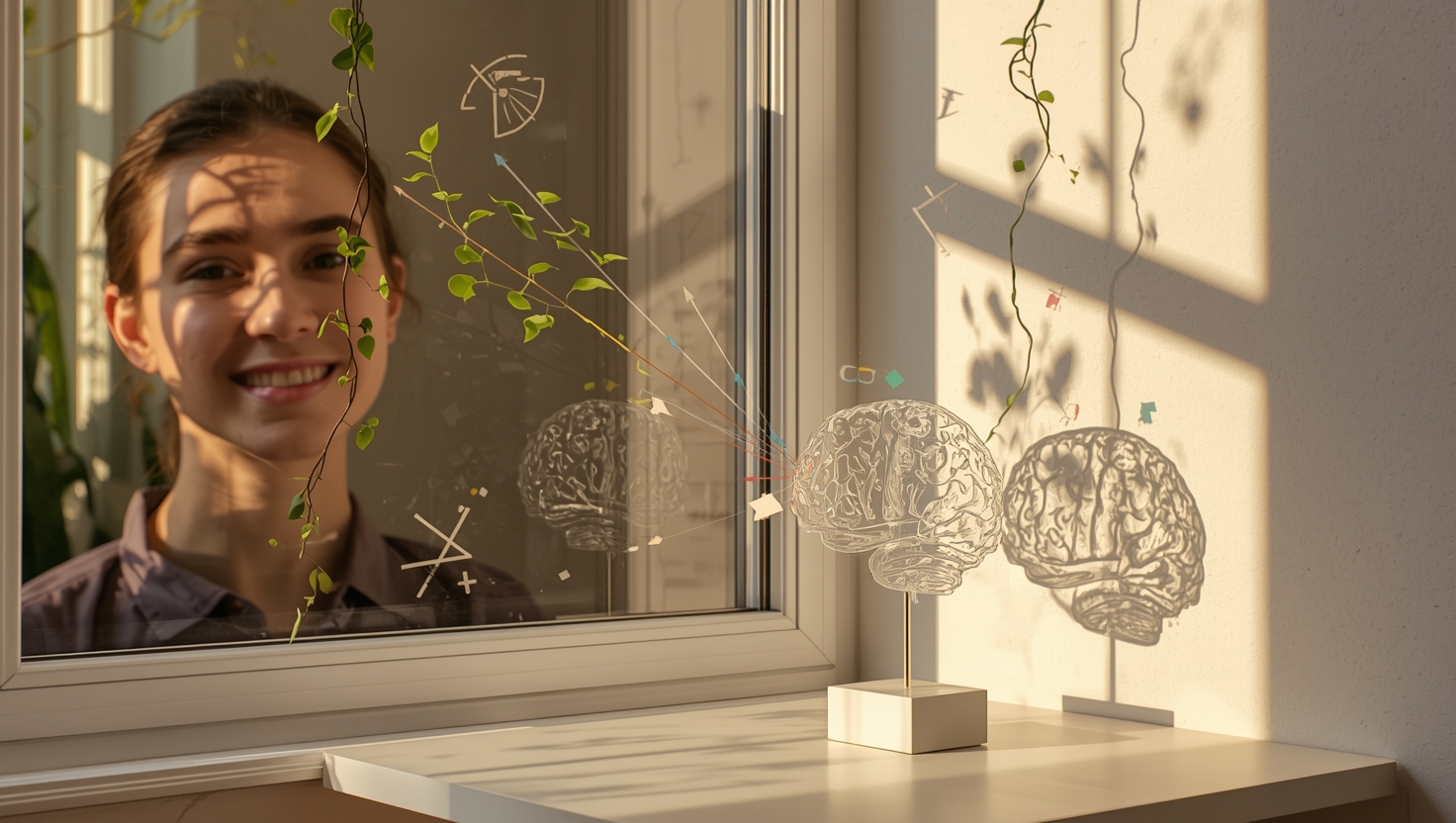
Sometimes when you watch an action, it feels like you’re doing it inside your own body. That feeling can come from the brain acting not as a passive viewer, but as an active simulator.\n\nThe mirror neuron idea suggests similar circuits may fire when you perform an action and when you observe it. Another person’s movement becomes a rough rehearsal inside your brain.\n\nSurprising detail: this can be a shortcut for learning. Grasping a skill by watching may come from the brain building a model through that internal rehearsal.\n\nThat’s why watching is often the first step toward doing. Empathy and imitation may be two faces of the same “understanding from within” mechanism.