
Kısaca
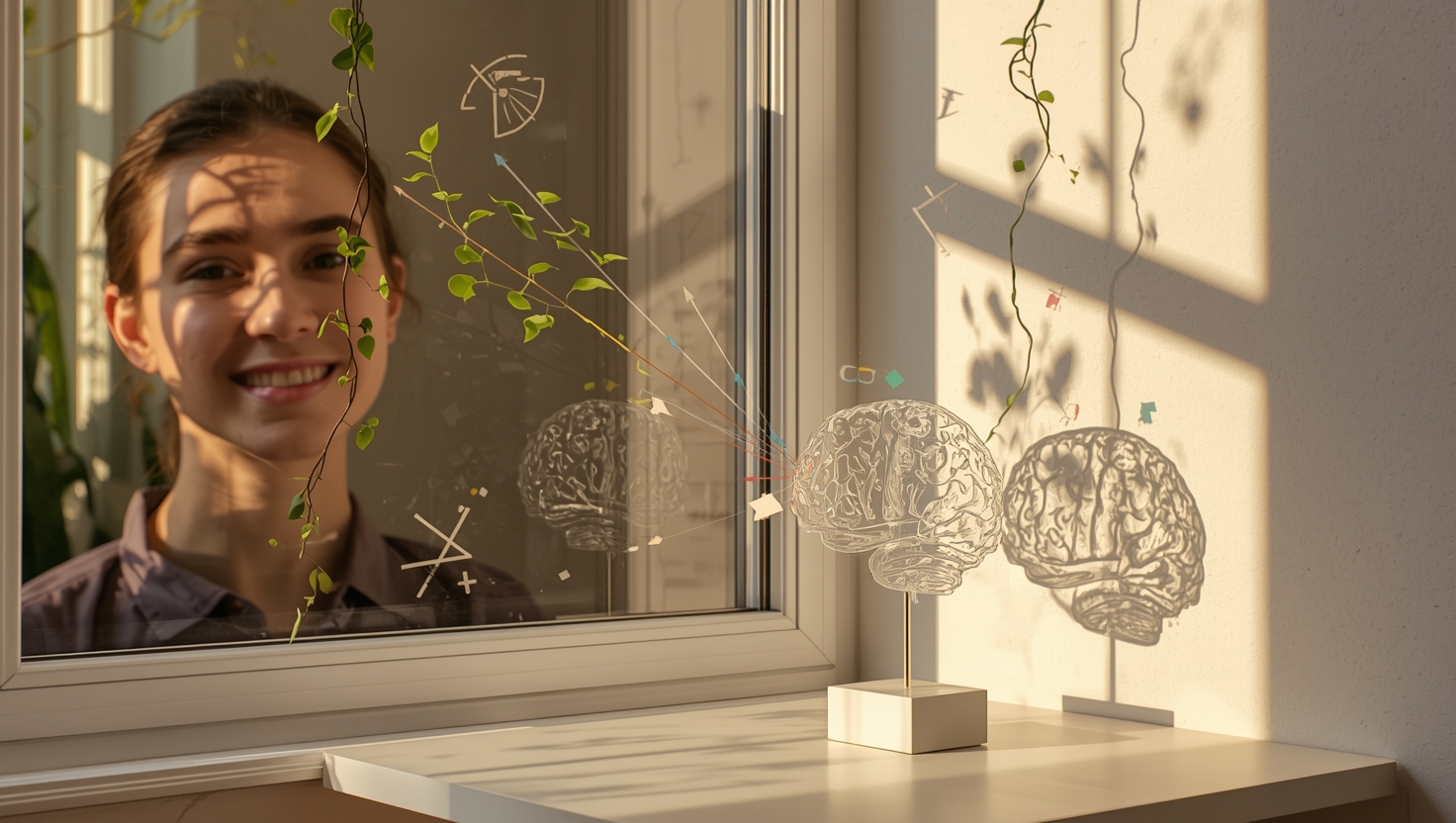
Laughing at the same joke is like signing a tiny “we” agreement. The brain records shared rhythm and emotion as a closeness signal. That’s why a laugh can bond faster than talk on a first date.
Dil değiştiriliyor...
Lütfen bekleyin
Kısaca
Laughing at the same joke is like signing a tiny “we” agreement. The brain records shared rhythm and emotion as a closeness signal. That’s why a laugh can bond faster than talk on a first date.
That sudden shiver during a song isn’t just emotion—it’s your reward circuitry lighting up. Music can trigger “frisson” when it bends expectation and resolves at the right moment.
The moment you see a face, a ‘trustworthy?’ feeling can appear. The brain builds a fast model from limited data, and that model can bend new information to fit itself.
The same mosquito bite can be nothing for one person and maddening for another. Itch isn’t only in the skin—it grows in the brain’s “threat” interpretation; more attention often means more itch.
When one clip instantly becomes another, “five minutes” can turn into an hour. Without a clear finish line, the brain struggles to stop. Infinite feeds remove natural brakes.
Feeling tense when someone stands too close shows your brain maps personal space as something real. This invisible bubble is shaped by culture, experience, and trust. Distance is communication.
If compliments make you blush or look away, it’s not strange. The brain treats visibility as both reward and risk: along with ‘I’m liked,’ it hears ‘I’m being judged.’
Her gün yeni bilgiler, ilginç gerçekler ve faydalı içeriklerle bilgi dağarcığını genişlet!
Tüm Bilgileri Keşfet