
Summary
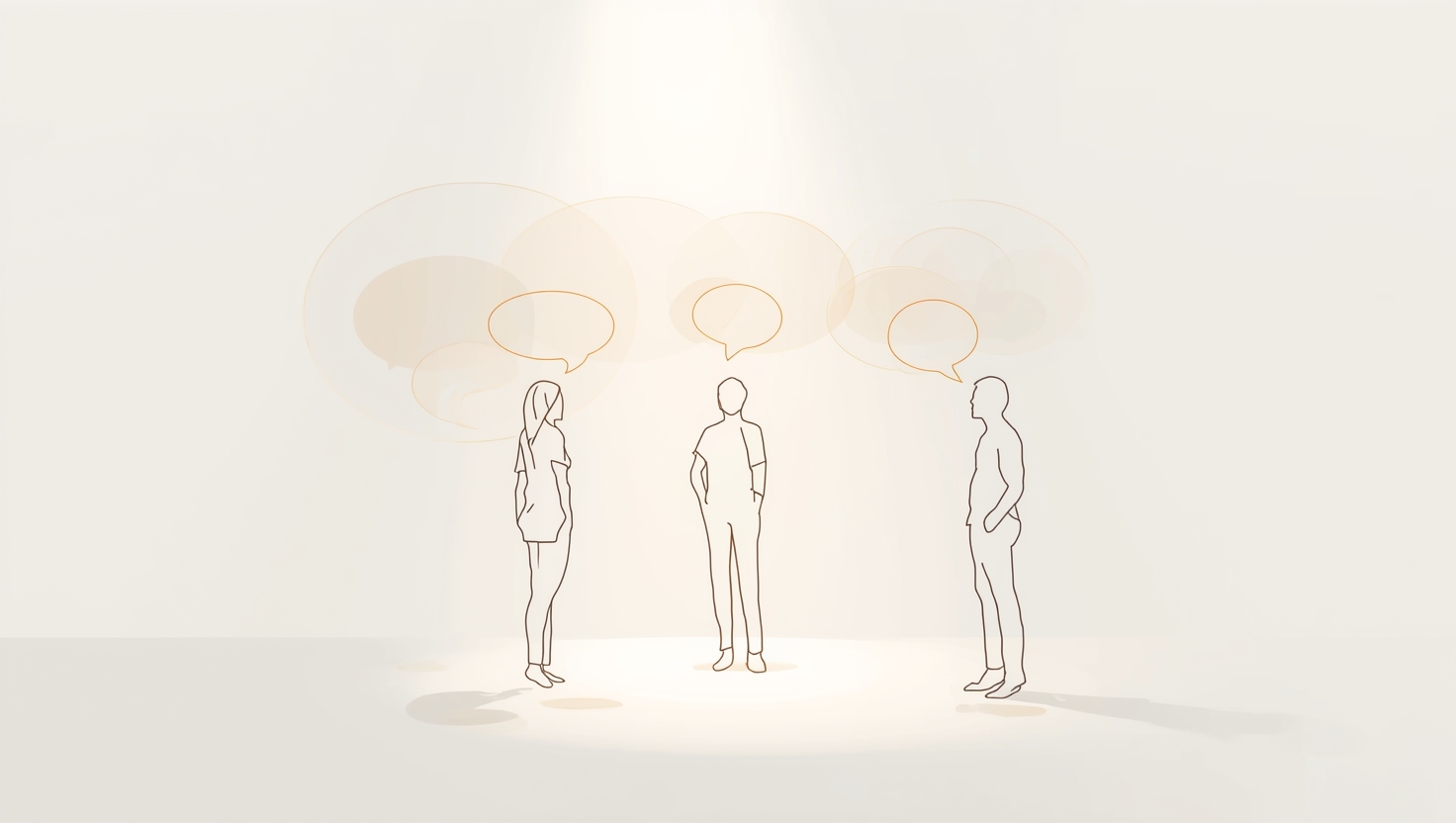
Feeling drained after an hour in a crowd isn’t being ‘dramatic.’ The brain tracks faces, voices, and rules at once—and that monitoring costs energy. The social battery recharges in quiet.
Switching language...
Please wait
Summary
Feeling drained after an hour in a crowd isn’t being ‘dramatic.’ The brain tracks faces, voices, and rules at once—and that monitoring costs energy. The social battery recharges in quiet.
Goosebumps during music, a scene, or a sentence aren’t just about cold. The brain can switch the body into an alert mode under meaning, surprise, or intense emotion. Chills can be emotion’s fingerprint.
Ever notice you invent an explanation instead of simply saying “I don’t want to”? The brain likes to justify rejection to reduce social cost. Sometimes the excuse protects the relationship, not you.
Memorizing lists is hard, remembering stories is easy because the brain loves narrative. When facts enter a cause-and-effect chain, they stick. Memory often equals meaning.
If compliments make you blush or look away, it’s not strange. The brain treats visibility as both reward and risk: along with ‘I’m liked,’ it hears ‘I’m being judged.’
Ever notice you blink more when distracted and less when locked onto a screen? Blink rate can shift with attention, stress, and cognitive load. Your body leaks your mind’s rhythm.
The “looked away, must be lying” cliché often fails. Stress, shame, and anxiety can mimic the same signs—your brain needs context, not a single cue.
Expand your knowledge with new facts, interesting trivia and useful content every day!
Discover All Info