
Kısaca
Broken noses and missing arms feel like time’s damage, yet some works were designed in parts from the start. Workshop transport and assembly can shape a statue’s fate from day one.
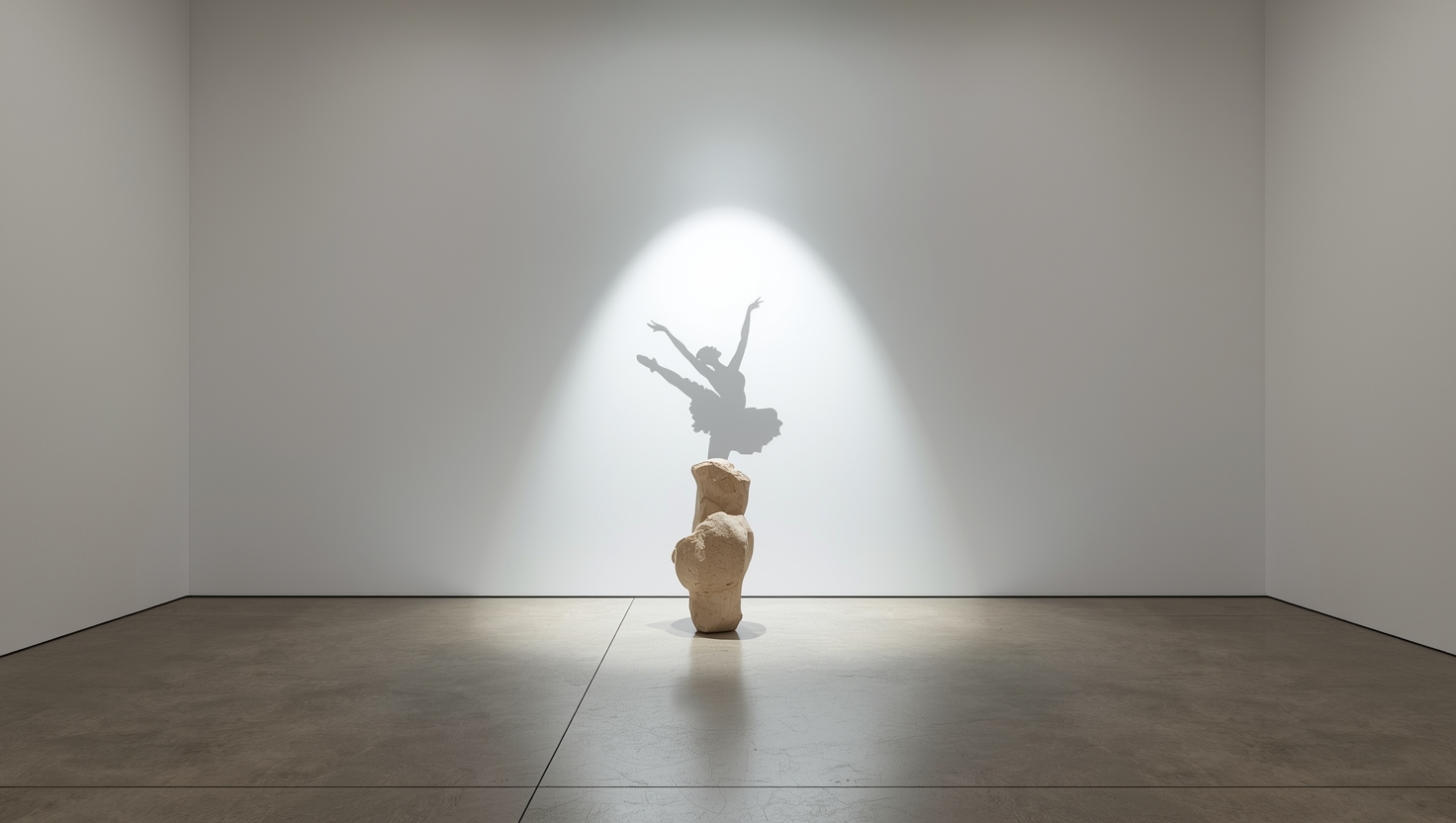
When you see missing parts on a statue, you instantly think time broke it. That’s often true, but sometimes the statue’s ‘incompleteness’ traces back to an intentional plan in the workshop.\n\nMoving and installing large sculptures was historically difficult. So some works were produced in sections to be assembled later, using joints, pins, and connectors.\n\nSurprising detail: modular making can be aesthetic as well as logistical. Working separate blocks can improve detail control, yet it can also create weak points that later look like ‘lost’ damage.\n\nIt matters because ‘missing’ in a museum isn’t one story. A statue’s current form is a mix of technique, transport conditions, and time’s blows.