
Kısaca
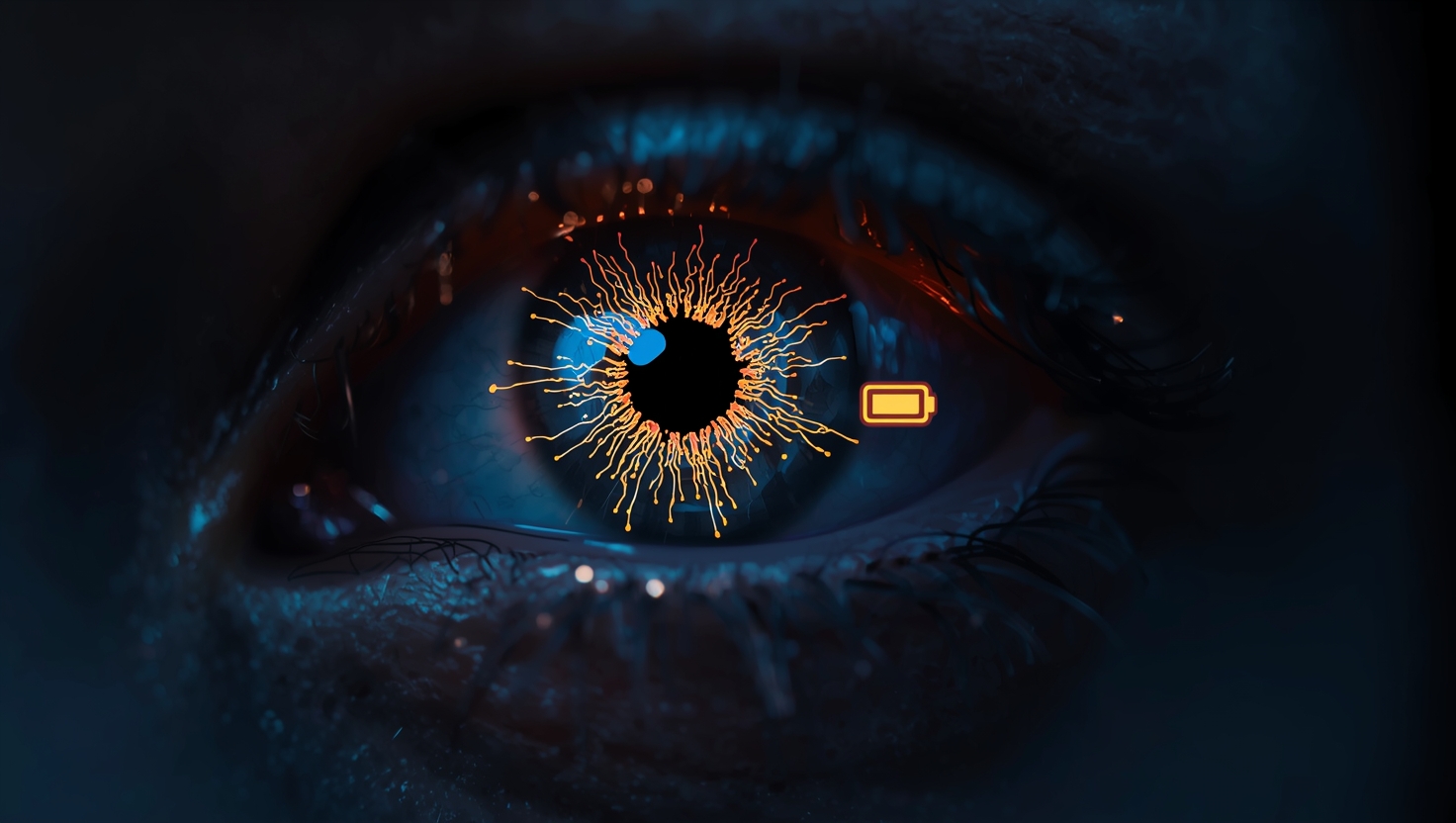
Eye contact is higher-bandwidth communication than we think. That’s why some read long gazes as threat, others as closeness. The same look can tell different stories.
Dil değiştiriliyor...
Lütfen bekleyin
Kısaca
Eye contact is higher-bandwidth communication than we think. That’s why some read long gazes as threat, others as closeness. The same look can tell different stories.
Saying “I won’t do it again” and still repeating it is often habit, not bad intent. The brain treats the most familiar path as the cheapest. Change is the cost of building a new route.
Snacking more when you’re sleep-deprived isn’t just weak willpower—it can be biology. With less sleep, appetite signals can shift and the brain chases quick rewards. The fridge call is nightly.
Laughing at the same joke is like signing a tiny “we” agreement. The brain records shared rhythm and emotion as a closeness signal. That’s why a laugh can bond faster than talk on a first date.
Loneliness isn’t ‘just a feeling’—it can feel like a bodily alarm. Social exclusion can activate brain regions overlapping with physical pain, so it can sting even in a crowd.
Two people can get the same bump—one reacts instantly, another notices later. It’s not just “toughness”: attention, adrenaline, and expectation can change how fast pain becomes perception.
A scent can drop you into childhood in a second because smell pathways connect closely to emotion and memory hubs. One perfume can sharpen a scene you hadn’t recalled in years.
Her gün yeni bilgiler, ilginç gerçekler ve faydalı içeriklerle bilgi dağarcığını genişlet!
Tüm Bilgileri Keşfet