
Kısaca
Goosebumps during music, a scene, or a sentence aren’t just about cold. The brain can switch the body into an alert mode under meaning, surprise, or intense emotion. Chills can be emotion’s fingerprint.
Dil değiştiriliyor...
Lütfen bekleyin
Kısaca
Goosebumps during music, a scene, or a sentence aren’t just about cold. The brain can switch the body into an alert mode under meaning, surprise, or intense emotion. Chills can be emotion’s fingerprint.
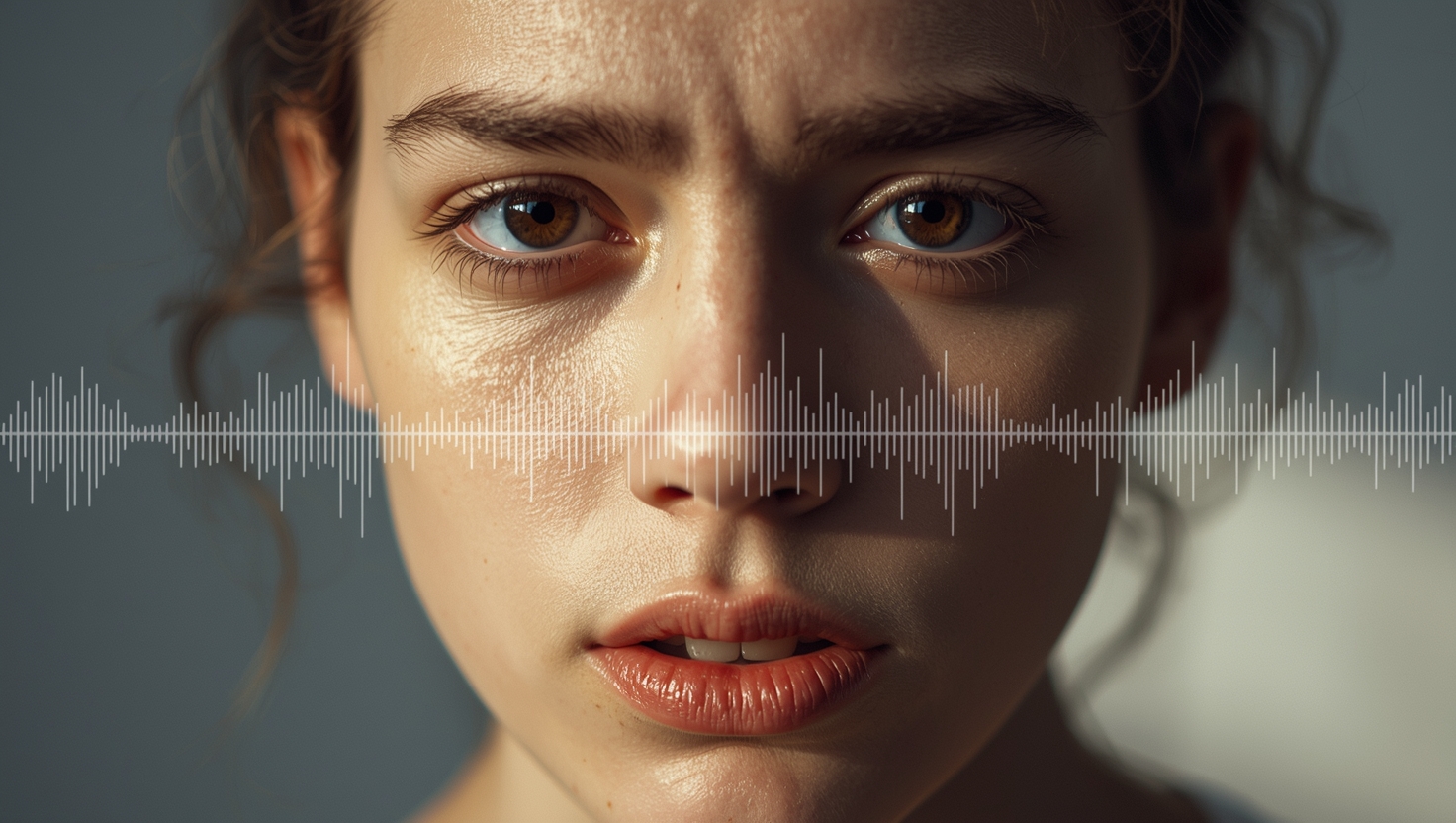
Feeling uneasy when a room goes silent is normal. The brain hates uncertainty; with fewer cues in silence, threat-scanning mode can ramp up.
The “I’m right-brained” cliché sounds neat, but the brain does most things together. Language, music, logic, creativity—spread across networks. It’s less labels, more balance.
Two people can get the same bump—one reacts instantly, another notices later. It’s not just “toughness”: attention, adrenaline, and expectation can change how fast pain becomes perception.
The same mosquito bite can be nothing for one person and maddening for another. Itch isn’t only in the skin—it grows in the brain’s “threat” interpretation; more attention often means more itch.
In an argument, one person stays angry for minutes while another recovers fast. The difference is often emotion regulation: the brain learns how to cool a rising fire.
Some people see faces clearly but can’t recognize them: prosopagnosia. They rely on voice, gait, or hair cues—crowds become puzzles.
Her gün yeni bilgiler, ilginç gerçekler ve faydalı içeriklerle bilgi dağarcığını genişlet!
Tüm Bilgileri Keşfet