
Kısaca
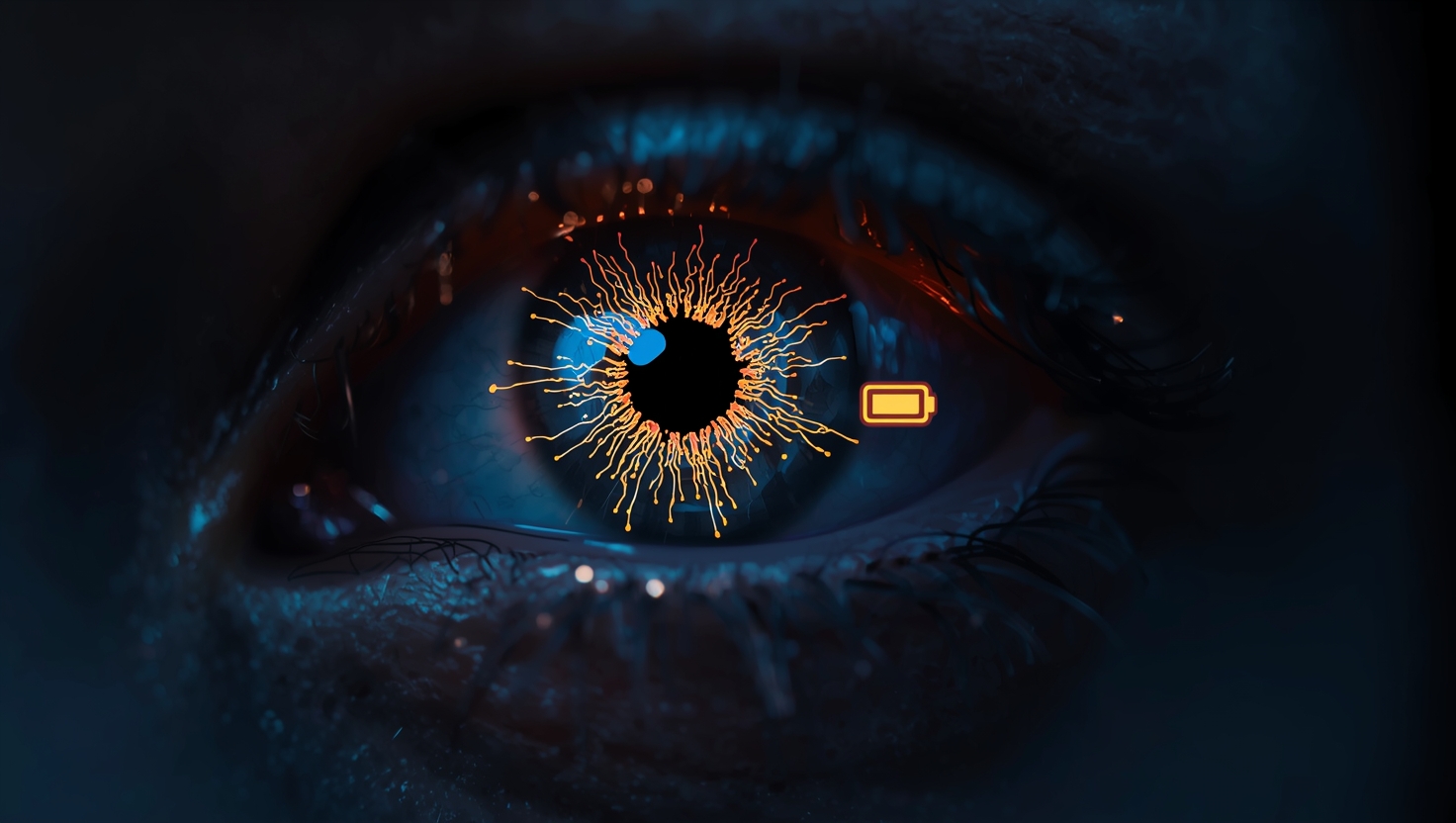
Eye contact is higher-bandwidth communication than we think. That’s why some read long gazes as threat, others as closeness. The same look can tell different stories.
Dil değiştiriliyor...
Lütfen bekleyin
Kısaca
Eye contact is higher-bandwidth communication than we think. That’s why some read long gazes as threat, others as closeness. The same look can tell different stories.
Saying “I won’t do it again” and still repeating it is often habit, not bad intent. The brain treats the most familiar path as the cheapest. Change is the cost of building a new route.
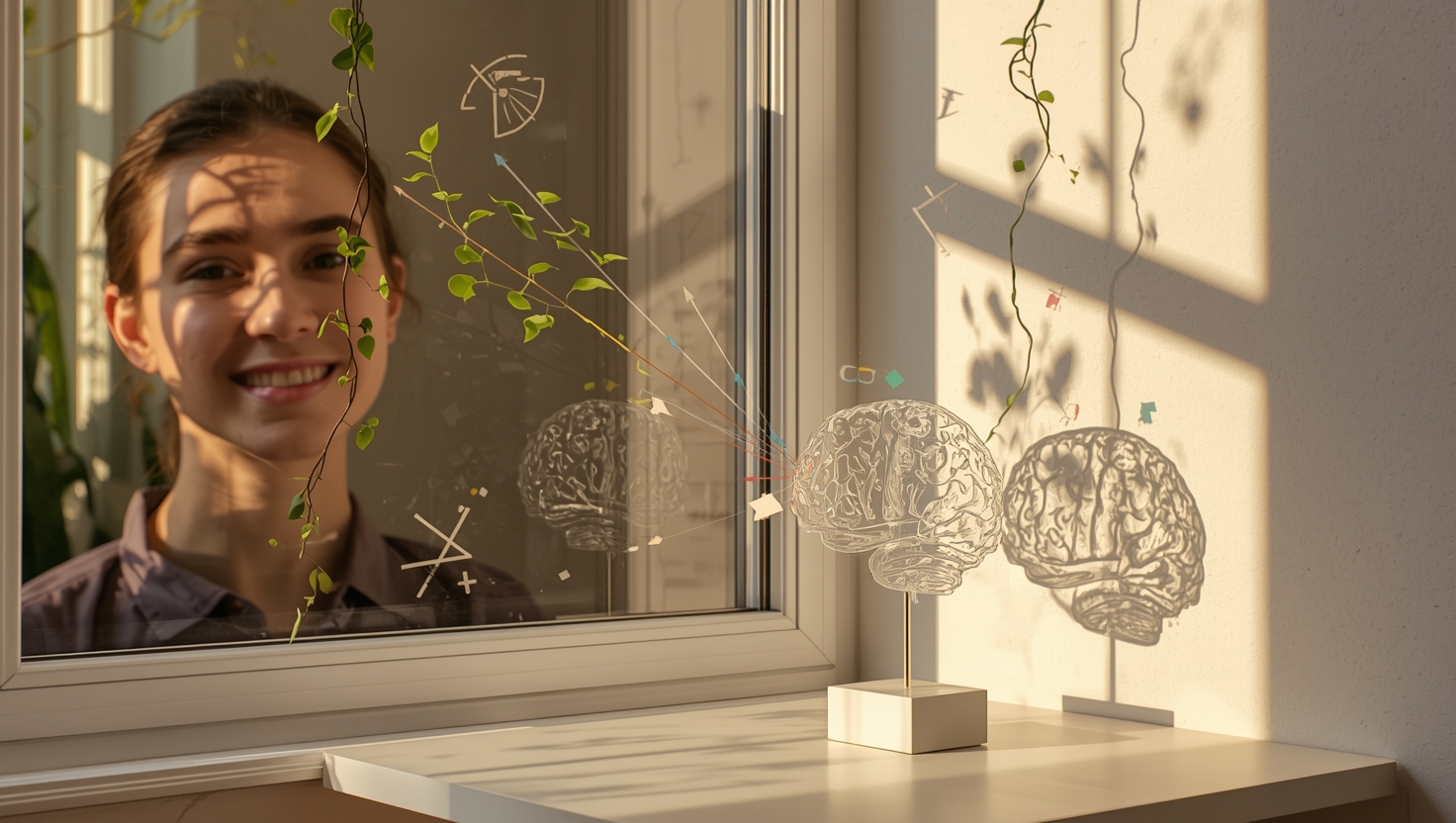
If compliments make you blush or look away, it’s not strange. The brain treats visibility as both reward and risk: along with ‘I’m liked,’ it hears ‘I’m being judged.’
Recognizing someone but blanking on their name isn’t laziness: the brain encodes faces as rich visual identity files, while names stay as fragile labels. So the face pops up, the name doesn’t.
That sudden shiver during a song isn’t just emotion—it’s your reward circuitry lighting up. Music can trigger “frisson” when it bends expectation and resolves at the right moment.
Laughing at the same joke is like signing a tiny “we” agreement. The brain records shared rhythm and emotion as a closeness signal. That’s why a laugh can bond faster than talk on a first date.
Brain surgery can be done while patient is awake. Headaches are felt by membranes around the brain, not the brain itself.
Her gün yeni bilgiler, ilginç gerçekler ve faydalı içeriklerle bilgi dağarcığını genişlet!
Tüm Bilgileri Keşfet