
Kısaca
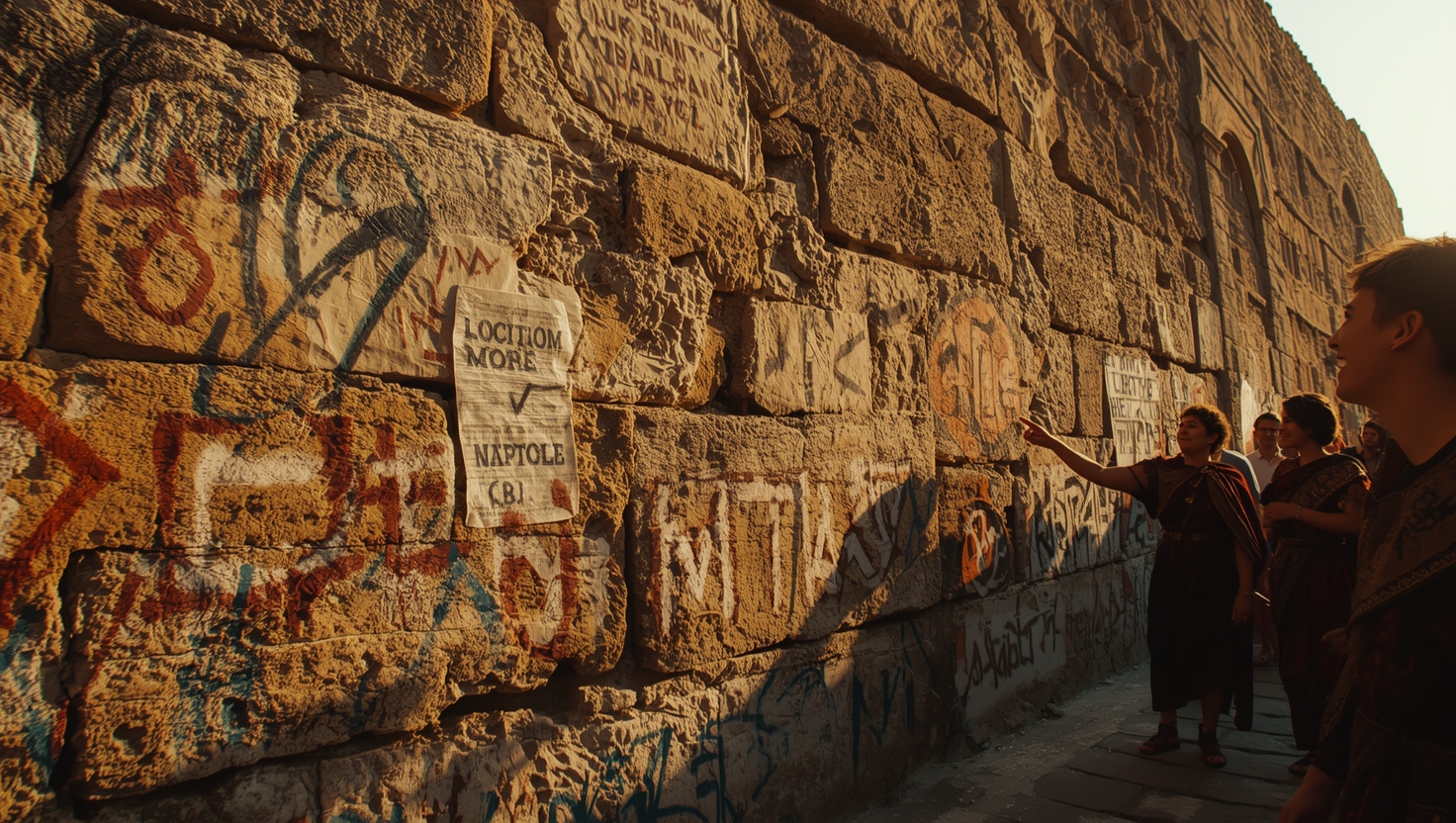
When calendars were corrected, people woke up to find several days ‘skipped.’ As errors accumulated, the fix was blunt: dates jumped forward and some days never existed on paper.
A calendar can feel like nature itself—days flow, months turn. But a calendar is a tool humans built to measure nature, and tools can accumulate error.\n\nBecause the real year length doesn’t match tidy whole numbers, small drifts build up. Over centuries, seasons slip against dates, and a correction becomes necessary.\n\nSurprising detail: the correction can involve skipping days. The calendar jumps forward, and certain dates never ‘happen’ on paper—history literally hops.\n\nIt matters because it reminds us time isn’t man-made, but timekeeping is. Days don’t vanish; our labeling of them can change overnight.