Kısaca
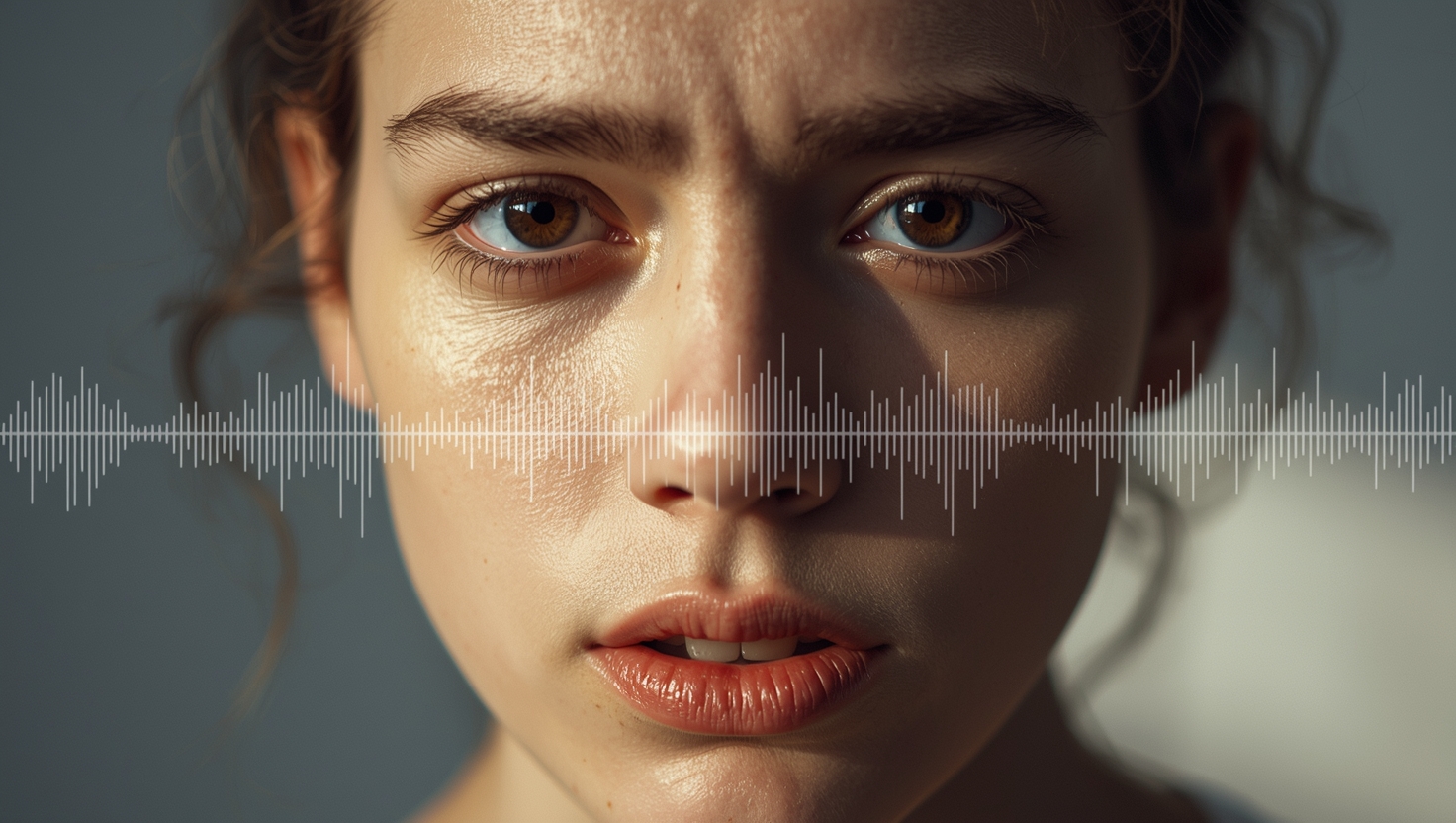
When a conversation hits a short silence, we often fill it with extra details. The brain can read social gaps as ‘risk’ and talk more to reinforce the bond. Silence doesn’t mean the same to everyone.
Dil değiştiriliyor...
Lütfen bekleyin
Kısaca
When a conversation hits a short silence, we often fill it with extra details. The brain can read social gaps as ‘risk’ and talk more to reinforce the bond. Silence doesn’t mean the same to everyone.
Laughing at the same joke is like signing a tiny “we” agreement. The brain records shared rhythm and emotion as a closeness signal. That’s why a laugh can bond faster than talk on a first date.
If compliments make you blush or look away, it’s not strange. The brain treats visibility as both reward and risk: along with ‘I’m liked,’ it hears ‘I’m being judged.’
You often copy someone’s posture without noticing: they cross their legs, you do too. This ‘mirror’ behavior can be a quiet sign of rapport and alignment. The body says, ‘we’re together.’
The “I’m right-brained” cliché sounds neat, but the brain does most things together. Language, music, logic, creativity—spread across networks. It’s less labels, more balance.
Remembering isn’t taking a memory off the shelf and returning it unchanged—the brain updates it slightly each time. That’s why details you’re ‘sure’ about can drift. Memory is alive, not fixed.
Blushing isn’t just embarrassment—it’s a “I’ve been seen” signal. Blood vessels widen, heat rises, and the involuntary reaction can carry a social message like an apology.
Her gün yeni bilgiler, ilginç gerçekler ve faydalı içeriklerle bilgi dağarcığını genişlet!
Tüm Bilgileri Keşfet