
Kısaca
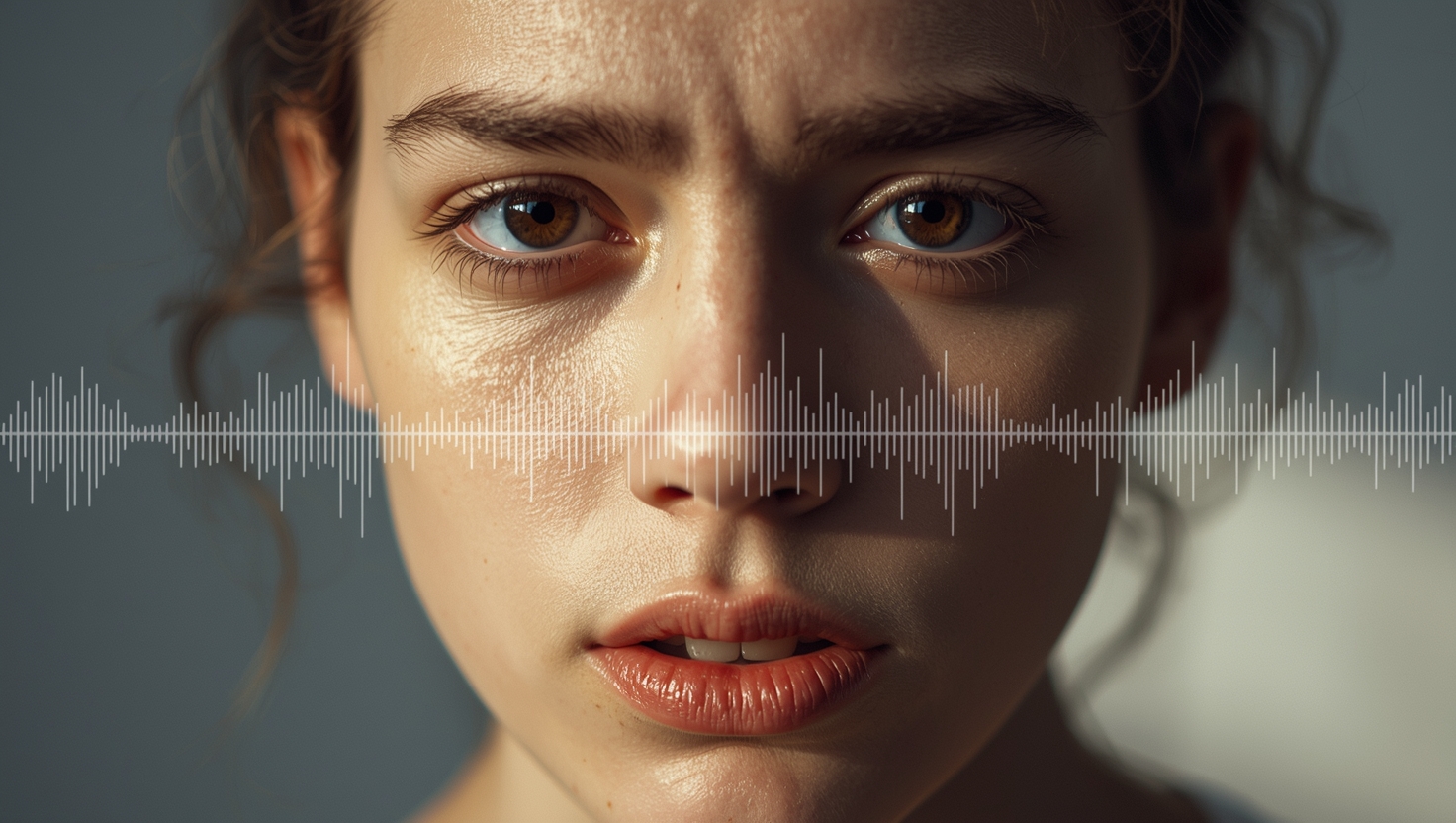
Feeling drained after an hour in a crowd isn’t being ‘dramatic.’ The brain tracks faces, voices, and rules at once—and that monitoring costs energy. The social battery recharges in quiet.
Saying “I had fun but I’m done” after a party is your brain running constant background calculations: who am I talking to, is my tone right, is it my turn?
That social processing is more costly in new settings. In familiar circles, you decode less data.
A surprising detail: some people gain energy in crowds because stimulation balances them. It’s not good vs bad—it’s calibration.
So don’t blame yourself—learn your battery. Mini escapes, bathroom breaks, two minutes outside… they lower the brain’s bill.
Bu bilgi seni nasıl hissettirdi?
Çoğunluk:
( tepki)