
Kısaca
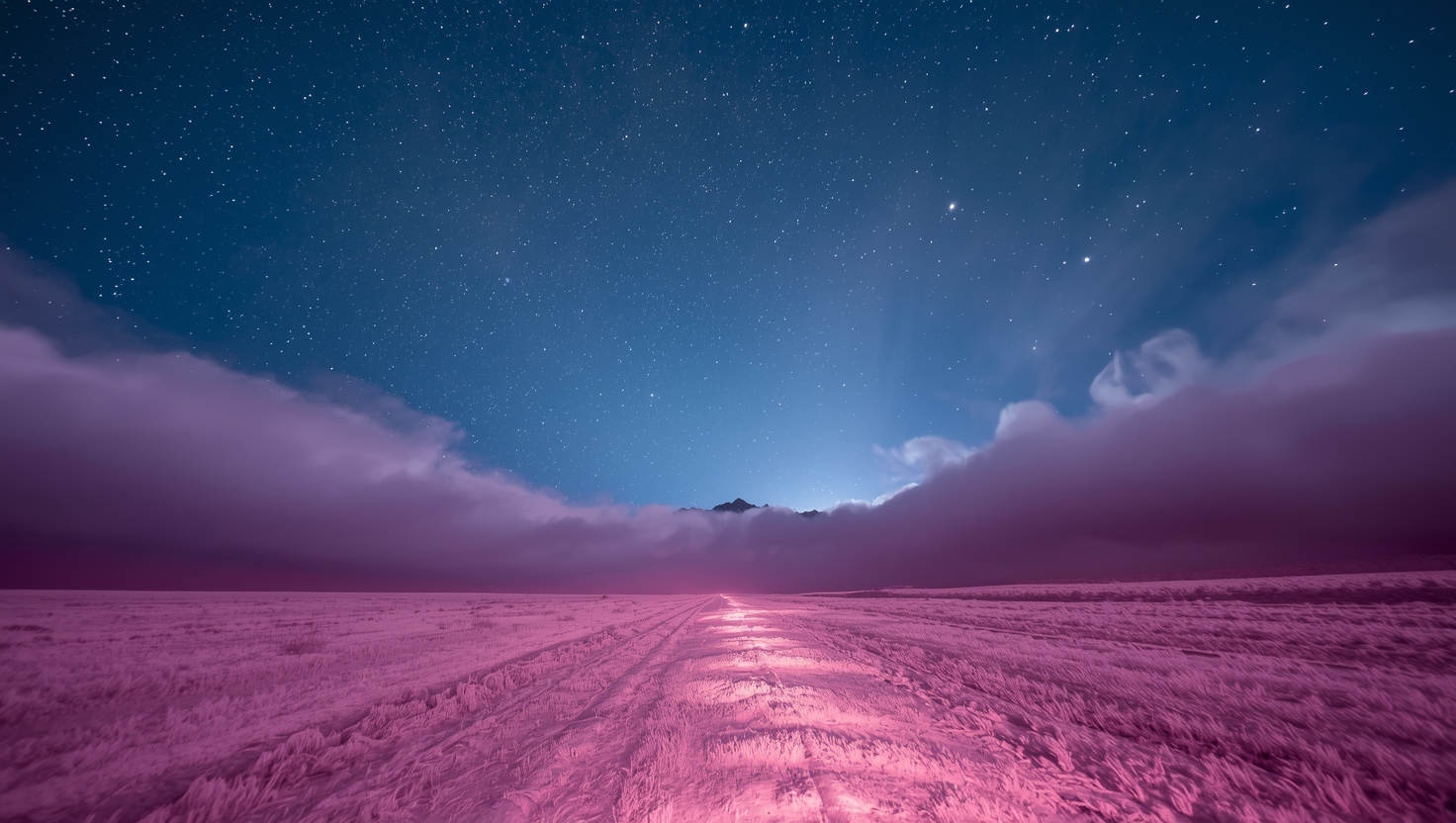
We picture sand, but deserts are defined by rainfall. Antarctica gets so little precipitation it’s technically a vast desert—its snow cover simply hides the fact.
The word “desert” sounds hot, so Antarctica feels like a mismatch. But in geography, deserts are defined by low precipitation, not temperature.\n\nAntarctica’s interior is extremely dry because cold air holds little moisture. So even under snow, the continent is ‘arid’ in terms of the water cycle.\n\nSurprising detail: that dryness helps turn ice into an archive. Layered snowfall can trap traces of past atmospheres, offering windows into climate history.\n\nIt’s a reminder that concepts can mislead. A desert isn’t only sand—sometimes it’s a vast dryness hidden inside white silence.