
Kısaca
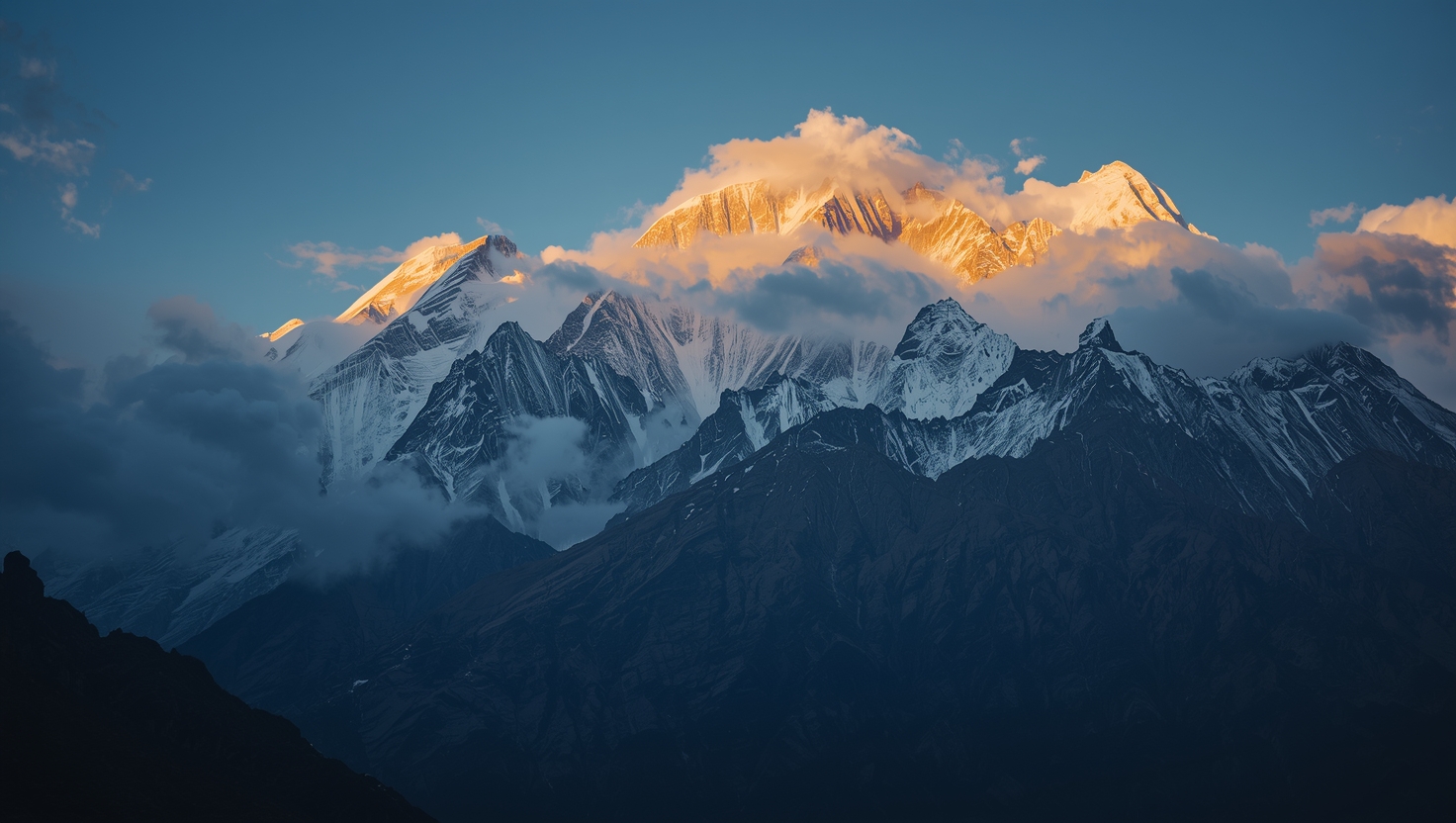
While a mountain’s windward side gets soaked, the other side can dry out. Air rises, drops rain, then descends, warms, and loses moisture—creating a rain shadow.
Seeing two radically different landscapes on opposite sides of the same mountain can be shocking: forest on one side, dry steppe on the other. The culprit is often air, not rock.\n\nMoist air hits the mountain, rises, and cools; cooling condenses vapor and drops rain. On the lee side, air descends, warms, humidity falls, and rain becomes unlikely.\n\nSurprising detail: this shapes settlement and agriculture. Sometimes to understand why one valley is fertile and the next is parched, you only need to check wind direction.\n\nIt matters because it shows how sharp climate can be even locally. A mountain isn’t just a barrier—it’s a distributor that redraws the map of water and life.