
Kısaca
The Silk Road was less a road and more a network: caravans moved religions, skills, foods, and music too. Sometimes a spice traveled with a new writing idea attached.
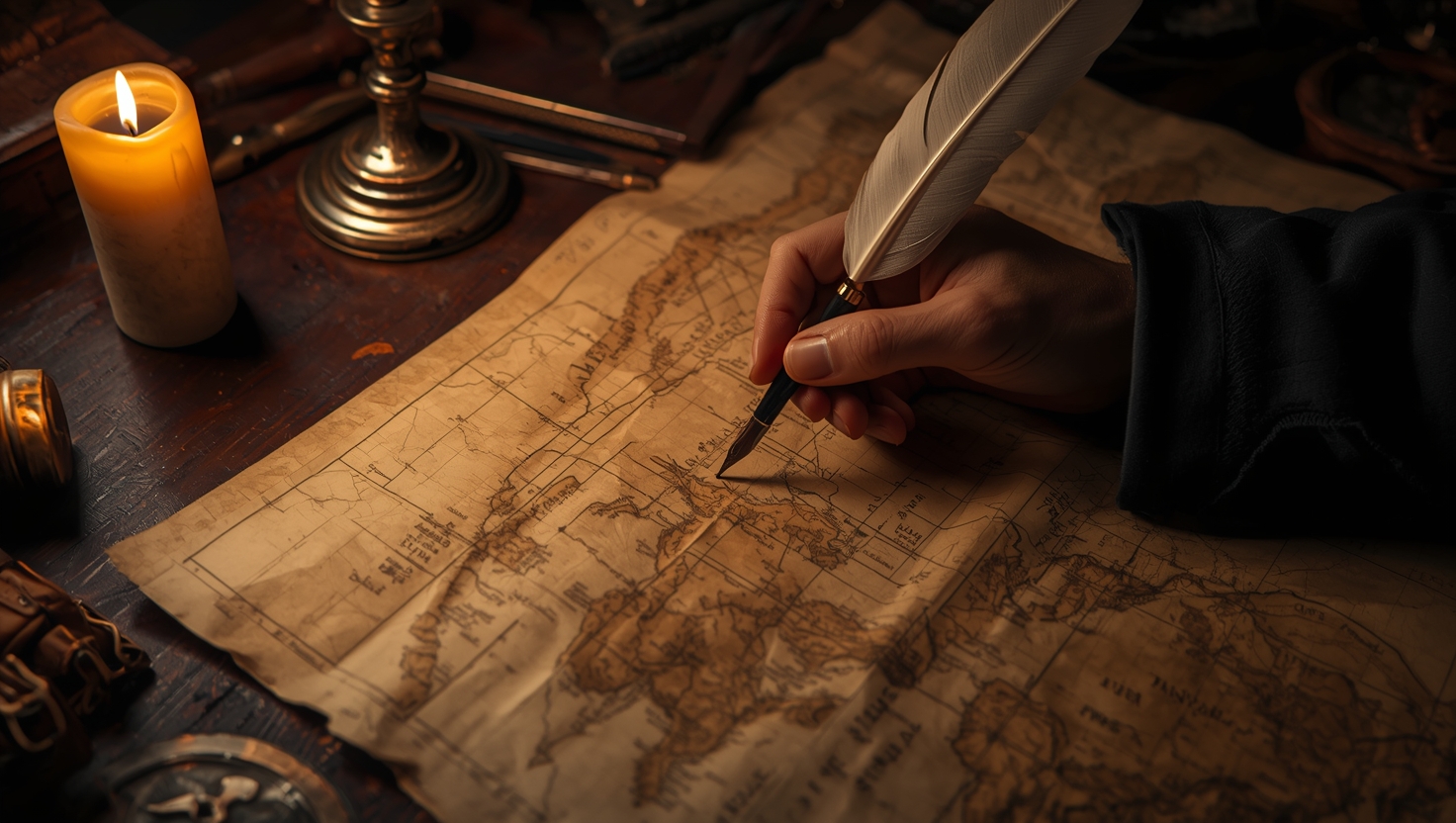
A single line drawn on a map is really a summary of thousands of small links. What we call the Silk Road was a network of interactions stretching from mountain passes to oases, from ports to market cities.
Culture is a byproduct of trade. While bargaining, merchants pick up languages and habits, and craftsmen see new techniques and adapt them to local needs.
The surprising part is that the flow was not one way. An idea born in one region could gain a new form elsewhere and then return, transformed into something different.
That is why the Silk Road can be seen as an early laboratory of globalization. Movement of goods triggers movement of people, and movement of people reshapes minds.