
Kısaca
The rocks at the bottom of the Grand Canyon are about half as old as Earth.
Dil değiştiriliyor...
Lütfen bekleyin
Kısaca
The rocks at the bottom of the Grand Canyon are about half as old as Earth.
On a historical timescale, the Sahara was green and wetter “yesterday.” As rainfall patterns shifted, lakes shrank—leaving not just sand, but a massive climate story.
While a mountain’s windward side gets soaked, the other side can dry out. Air rises, drops rain, then descends, warms, and loses moisture—creating a rain shadow.
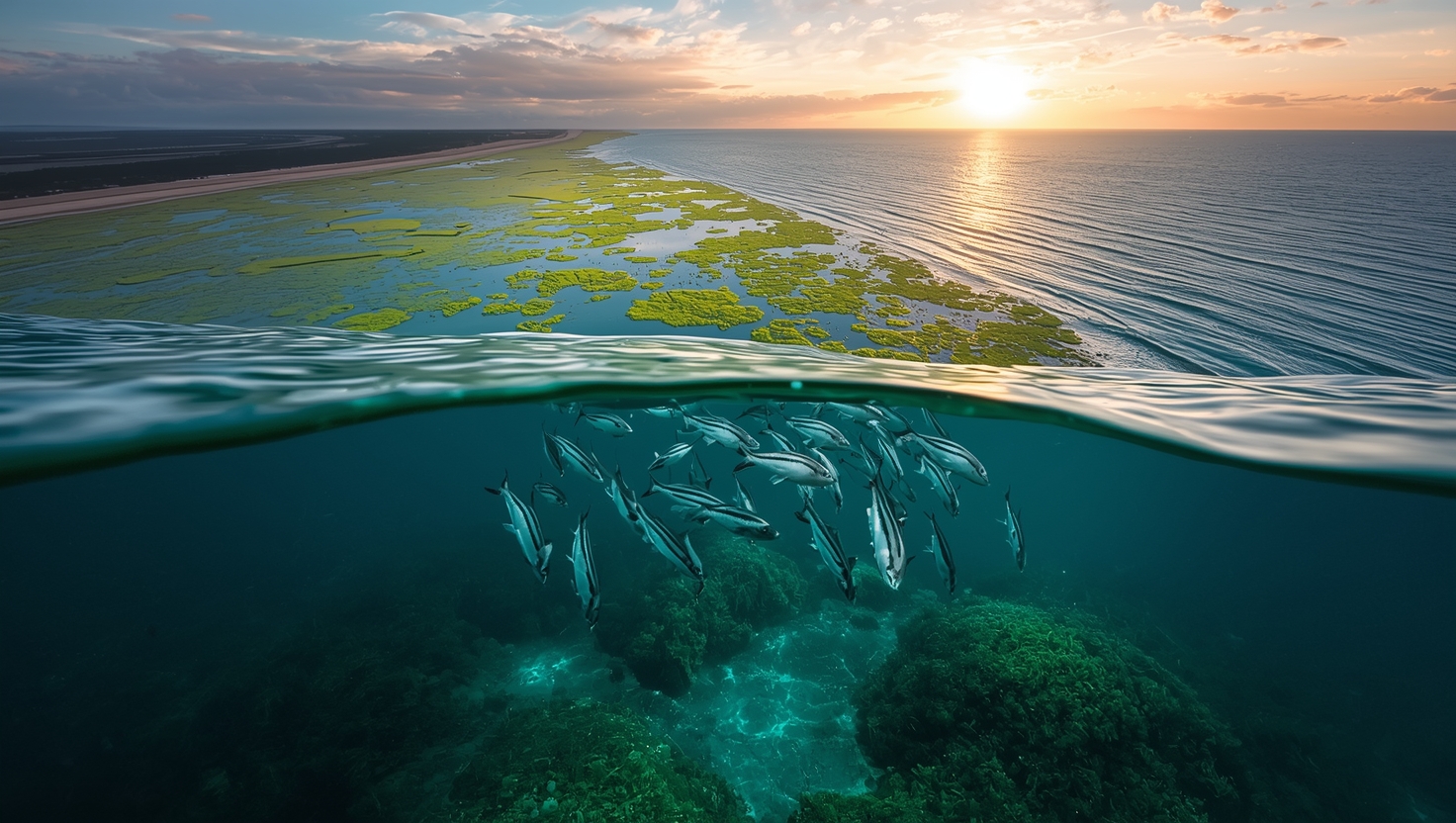
In some coasts there’s water but almost no usable oxygen, forcing life to flee. Excess nutrients trigger algal blooms, then decay consumes oxygen and the area goes quiet.
Sun warms the surface by day; at night the surface loses heat by radiating it into space. Clouds, humidity, and wind change this ‘heat escape,’ making some nights biting and others mild.
Even if your sky looks calm, there’s a storm somewhere. Earth produces countless electrical discharges at once—we just mistake our horizon for the whole world.
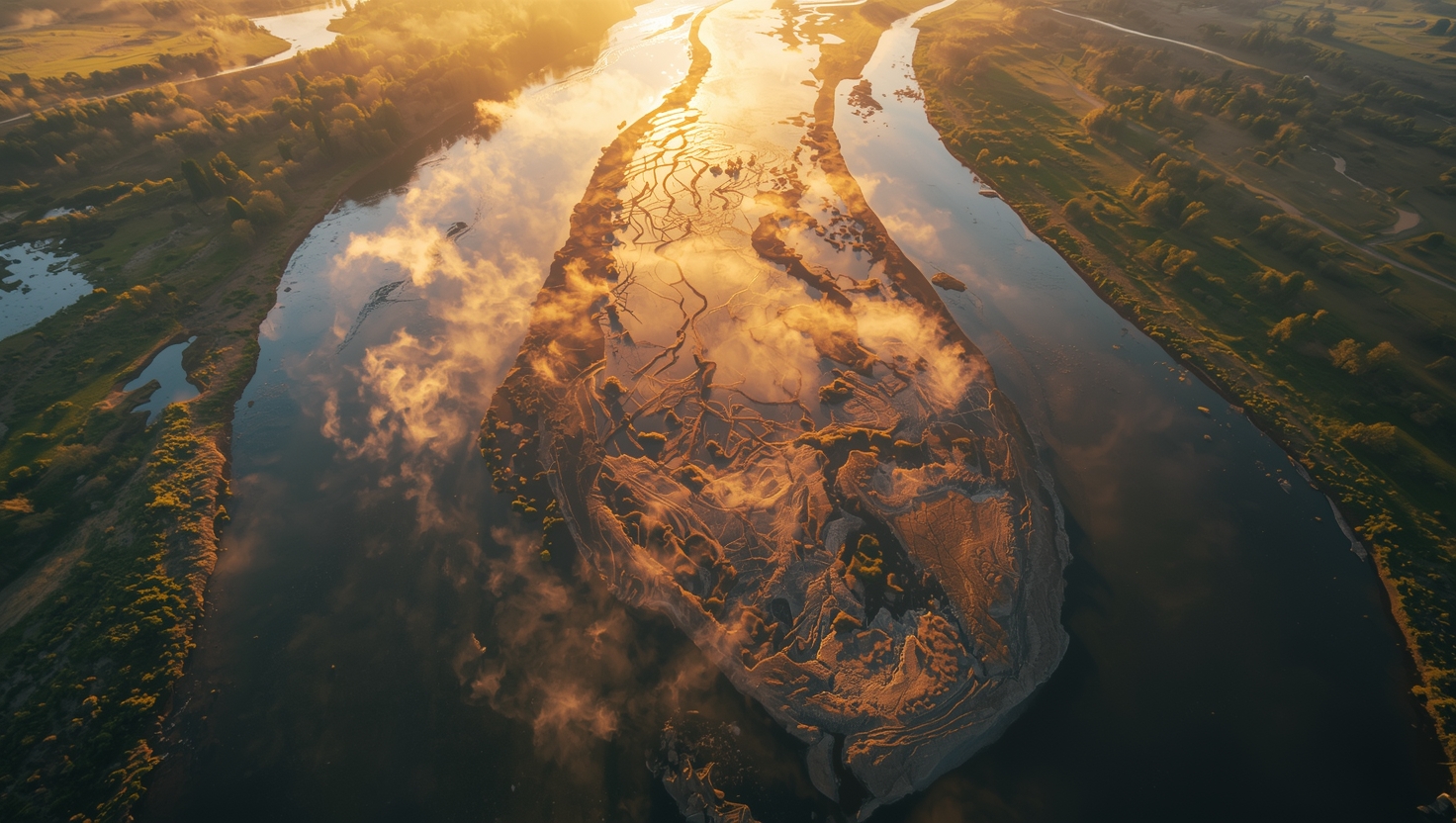
A riverbed isn’t as fixed as it looks. When rains swell flow, sand and gravel move; bends shift, and a river can abandon an old path and carve a new one.
Her gün yeni bilgiler, ilginç gerçekler ve faydalı içeriklerle bilgi dağarcığını genişlet!
Tüm Bilgileri Keşfet